Buy, Then Blame: How India Stabilised Oil Markets—And Still Got Hit With Tariffs
At the height of the global energy panic, the rules were simple. Keep oil flowing, keep prices down, and avoid a shock the world couldn’t afford.
So, India stepped in. From 2022 onwards, New Delhi began ramping up purchases of Russian crude—discounted, available, and suddenly central to a market thrown off balance by sanctions and shifting alliances.
But here’s the part that complicates the narrative.
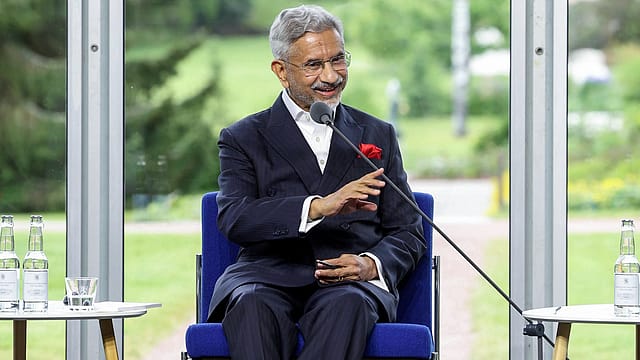
According to External Affairs Minister S. Jaishankar, this wasn’t just India acting alone. It was nudged. “At that time, the US specifically asked India to buy Russian oil to stabilise the oil market,” he said at the Kultaranta Talks in Finland. Because the market had tilted. Europe, cutting off Russian energy, rushed toward the Middle East—the same region India had long relied on. Supply tightened. Competition surged. Prices threatened to spike.

Greening the Future
23 Jul 2026 - Vol 05 | Issue 30
Securing a sustainable India
India had two choices: chase shrinking supply at higher prices or pivot. The country pivoted. Russian crude, abundant and discounted, became the answer—not just for India’s own energy security, but for a global system that needed a pressure valve. “I buy oil based on cost and availability,” Jaishankar said. And at that moment, availability had a geography.
But geopolitics doesn’t hold still. As the market stabilised and the immediate crisis eased, the tone shifted. The same ecosystem that had once encouraged India’s purchases began tightening its stance. Tariffs entered the conversation. Signals changed.
And that’s where Jaishankar drew the line. “Let’s not pretend this is about great principles. I don’t think hypocrisy is appropriate here.”
The remark wasn’t just defensive—it was diagnostic. Because India’s position has been consistent: energy decisions will be guided by national interest, affordability, and supply security. Not by shifting political pressure.
The criticism, however, hasn’t been consistent. At the same discussion, a journalist accused India of being “too sympathetic to Russia” and “too willing” to buy its oil.
Jaishankar’s response was blunt. Circumstances dictated choices. Markets dictated flows. And Europe’s own decisions had consequences for others. When Europe turned away from Russian oil, it didn’t disappear. It moved. And India absorbed part of that shift. In doing so, it didn’t just shield its own economy from inflation shocks. It also eased pressure on global supply—preventing a tighter squeeze that could have pushed prices far higher.
That’s the part often left out. India wasn’t just buying oil. It was balancing a system. Today, Russia remains a key crude supplier. The United States, meanwhile, is India’s top source of natural gas—evidence of a strategy that isn’t ideological, but diversified.
And the broader market? Still adjusting. Still “derisking” from traditional hubs like the Gulf. But the bigger takeaway isn’t about barrels or trade routes. It’s about timing. When the world needed stability, India was asked to act. When the situation shifted, the narrative did too.
India didn’t. It bought when it made sense. It held when it mattered. And now, it’s pushing back.
(With inputs from ANI)