Beyond Hormuz: What Are India's Alternate Routes for Oil Import?
India is being forced into a rapid energy recalibration.
Drone strikes have turned the Strait of Hormuz into a high-risk transit corridor, raising costs for every shipment. With 88 per cent of its crude imported, New Delhi is attempting to rework a decades-old logistics map to establish alternate routes for oil transport and bypass the conflict.
How Has India De-Risked Its Maritime Oil Trade?
India has diverted 75% of crude imports to non-Hormuz oil trade routes, up from 55% in February. Under Operation Sankalp, Navy destroyers are providing active defense, recently escorting the tanker Jag Laadki to Mundra Port on March 18. This shift prioritizes "escorted safety," insulating the economy from the immediate conflict.

Losing Memory
16 Oct 2026 - Vol 05 | Issue 42
The making of a medical and social emergency
What Are the Primary Land-Bridge Alternatives?
Pipelines like the UAE’s Habshan–Fujairah line and Saudi Arabia’s Petroline allow crude to bypass Hormuz by reaching the Gulf of Oman or Red Sea. However, these alternate routes for oil transport are capacity-constrained and shared, limiting how much India can realistically divert.
How Are the Americas and Russia Filling the Gap?
Russian crude continues to anchor India’s basket, while shipments from the US and Latin America provide diversification. These oil trade routes are longer, often taking 25–45 days, raising freight and insurance costs, with downstream pressure on fuel pricing.
Can Diplomacy Keep the Strait "Technically" Open?
New Delhi is using "strategic autonomy" to negotiate safe passage for Indian-flagged vessels through backchannels with Tehran. Recent diplomatic wins ensured neutral Indian ships avoided the crossfire in the Strait of Hormuz. Iran maintains the passage remains open to "friendly" nations, providing a slim but essential corridor for energy stability.
What Is India's Current Emergency Buffer?
India’s energy armour spans 74 days of total cover. Strategic Petroleum Reserves hold 39 million barrels, providing a 9.5-day emergency cushion while the government scouts alternate routes for oil transport. The remaining 64.5 days are held as commercial stocks, offering a two-month window to stabilize the economy if a total blockade occurs.
Where Is the "Achilles' Heel" in India's Energy Map?
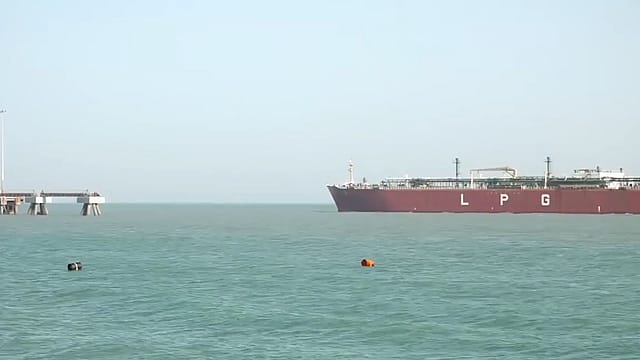
LPG remains the most exposed segment, with a high import dependence still routed through vulnerable corridors. Limited storage and refinery constraints add friction, especially if supply shifts toward different crude grades.
(With inputs from yMedia)