Balen Shah Wears Nepal's Crown: What It Means for India
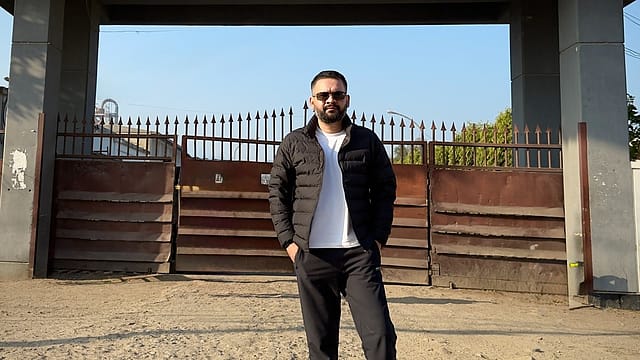
35-year-old Balendra Shah, structural engineer, former rapper, and once-controversial Kathmandu mayor, is now Nepal's Prime Minister. His party, the Rastriya Swatantra Party, swept the old guard out in a result that caught most analysts off guard. For India, which shares an open border, deep economic links, and unresolved territorial disputes with Nepal, the stakes could not be higher.
Here is what Shah's rise means for India.
Who Is Balen Shah?
Balendra Shah is a 35-year-old structural engineer, former rapper, and ex-Mayor of Kathmandu who is now Nepal Prime Minister-designate. He defeated ousted Prime Minister K.P. Sharma Oli in Jhapa, securing over 68,000 votes against Oli's roughly 18,000.
Notably, Shah is set to become Nepal's first Madhesi Prime Minister, from the southern Terai plains bordering Bihar and Uttar Pradesh, a community historically underrepresented in national politics.

Zeroing In on ECI
09 Oct 2026 - Vol 05 | Issue 41
Constitutional legitimacy versus political opportunism
RSP Nepal Election Results: How Big Was the Victory?
The RSP Nepal election results were historic by any measure. The party won 125 seats through direct First-Past-the-Post voting and 57 seats under the proportional representation system, bringing its total to 182 of 275 parliamentary seats, just two short of a two-thirds supermajority. The Communist Party of Nepal (UML), which managed only 9 directly-elected seats, saw a stunning collapse of a party that had long dominated Kathmandu's political establishment.
What Drove This Political Earthquake?
The September 2025 protests were initially triggered by a government ban on social media but rapidly swelled into a mass movement against corruption and economic stagnation, leaving at least 77 people dead. Shah, whose music targeted those same grievances, emerged as the movement's figurehead.
What Is Balen Shah's Position on India-Nepal Relations?
His mayoral tenure raised serious eyebrows in New Delhi. Shah displayed a 'Greater Nepal' map in his office, showing several Indian territories including parts of Uttar Pradesh, Bihar, and West Bengal as Nepali land. He also threatened to ban Indian films in Kathmandu over the Adipurush controversy.
Has Shah Softened His Position Since Winning?
Since winning, Shah has struck a more conciliatory tone. Shah expressed confidence in further deepening "historic" Nepal-India ties and making them more "outcome-oriented," while thanking Prime Minister Modi for his congratulatory message. The early diplomatic signalling from Kathmandu has been conciliatory.
How Has India Responded?
PM Modi held a warm telephone conversation with Shah and RSP Chairman Rabi Lamichhane, conveying India's commitment to mutual prosperity and expressing confidence that India-Nepal relations 2026 would scale new heights. The speed of that outreach was itself a diplomatic statement.
What Do Experts Say India Should Expect?
Analysts are divided. KC Sunil, President of Nepal-India Chamber of Commerce and Industry, has said Shah and the RSP's next rung of leaders are practical, and understand that a 'Nepal First' policy still requires close ties with India. Others caution that campaign rhetoric and statecraft are two very different things.
Could the 1950 Treaty and Border Disputes Resurface?
They very well might. The RSP has signalled interest in renegotiating the 1950 Treaty of Peace and Friendship, which Kathmandu has long viewed as lopsided. The Kalapani-Lipulekh-Limpiyadhura territorial dispute also remains a live wire. Any new Nepal Prime Minister will face domestic pressure to take a firmer line on both fronts.
What Is the Broader Outlook?
The India-Nepal relationship is deeply intertwined through open borders, extensive trade flows, labour migration, and dense cultural and familial links that no government can disregard. Shah's nationalism may be real, but geography and economics enforce pragmatism. India's opportunity lies in engaging a reform-minded Kathmandu before old grievances harden into new policy.
(With inputs from yMedia)