Asim Munir is now where Zia was in 1979 and Musharraf post-9/11: Pak scholar
Pakistan-based columnist, author and nuclear physicist Pervez Hoodbhoy says that while Pakistan’s diplomatic push to end the ongoing war in West Asia has placed the country in the global spotlight, it carries a “high moral cost”. According to the noted political commentator, that cost involves glossing over the US-led aggression and war crimes in the region.
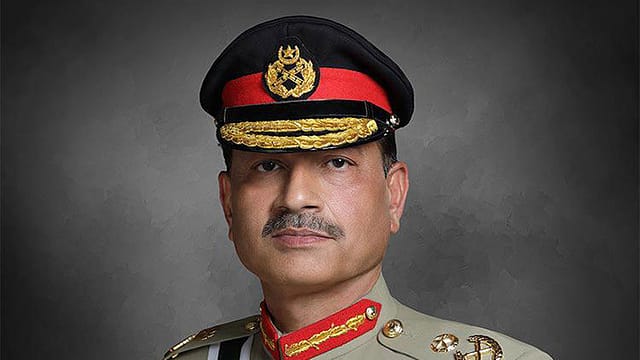
Pakistan has emerged as a key intermediary in negotiations between Iran and the US, with delegations from both countries arriving in Islamabad to thrash out a mutually agreeable peace formula. While US Vice-President JD Vance led Washington’s delegation, Iran was represented by Speaker Mohammad Bagher Ghalibaf and Foreign Minister Abbas Araghchi, with Pakistan’s army chief, Field Marshal Asim Munir, playing mediator. Munir is widely seen as having played a pivotal role in brokering a temporary ceasefire between the warring countries on April 8.

The Health and Wellness Issue
25 Sep 2026 - Vol 05 | Issue 39
Hoodbhoy elaborated: “Pakistan’s rulers have deemed the aggressors -- the Americans -- as seekers of peace while condemning Iran’s acts of self-defence, that is, its attacks on American bases in the Gulf. They have opened up Pakistan for exploitation of mineral resources (rare earths) and sought to curry favour with the (Donald) Trump family through cryptocurrency. Shame!”
“Pakistan’s diplomatic initiative has placed it at the centre of the world’s attention -- thankfully positively this time -- but it comes at a high moral cost and only a small chance of success,” Hoodbhoy told Open in an interview. “Pakistan’s defence pact with Saudi Arabia makes it partisan rather than neutral, and China is not willing to be meaningfully engaged.” The agreement between Pakistan and Saudi Arabia late last year treats any attack on Saudi Arabia as an attack on Pakistan and vice-versa.
Following the nearly 21-hour-long marathon talks in Islamabad, Vance left Islamabad on April 12 without reaching a deal with Iran. The US maintained that it had presented a “final and best offer”, while the Iranian delegation said Washington appeared to be looking for an excuse to walk away from the negotiations. Meanwhile, Pakistan has called for diplomatic efforts to continue.
As for Munir’s growing role in the global scheme of things despite the failure of this round of negotiations amidst a fragile ceasefire, Hoodbhoy said the Pakistani army general had simply been lucky to be at the right place at the right time, much like his predecessors General Zia-ul-Haq and General Pervez Musharraf. “General Zia-ul-Haq was rescued from the boondocks by the 1979 Soviet invasion, and General Pervez Musharraf had the good fortune of the post-9/11 ‘war on terror’ being thrust upon him. So too did General Asim Munir rise to the skies to become Field Marshal after Operation Sindoor (a brief war with India) and, even more, after he learned how to flatter Donald Trump with the Nobel Prize nomination and the offer of strategic minerals.”
All this attention on Munir -- from Trump and others -- does not bode well for Pakistan’s domestic politics, Hoodbhoy warned. “In terms of domestic politics, army rule over Pakistan seems assured for a long time to come.”