Apple vs OpenAI Explained: Why Sam Altman's Company Is Calling Apple's Lawsuit 'Careless, Aggressive and Personal'
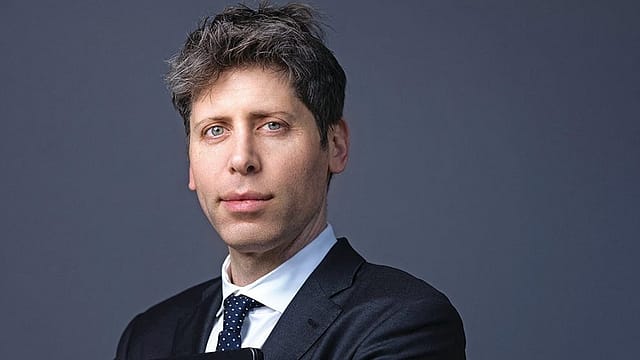
The AI race has entered the courtroom. Apple has filed a trade secrets lawsuit against OpenAI and two former Apple executives, accusing them of improperly accessing confidential information. OpenAI has responded with an unusually blunt public letter, calling the lawsuit "careless, aggressive and oddly personal" while insisting it neither possesses nor wants Apple's trade secrets. The legal battle now raises bigger questions about talent wars, intellectual property and the future of competition in artificial intelligence.
Why is Apple suing OpenAI?
Apple has accused OpenAI and two former Apple executives of misusing confidential company information and trade secrets after leaving the iPhone maker. The company has also asked a US court to issue a preliminary injunction preventing OpenAI from accessing, acquiring, using or disclosing the alleged confidential information while the case is being heard.
Rise of the Pivotal Power
18 Sep 2026 - Vol 05 | Issue 38
The BRICS declaration is a strategic victory for Modi
Who are the executives at the centre of the dispute?
The lawsuit names former Apple employees Chang Liu and Tang Tan, who later joined OpenAI. Apple alleges they retained or accessed confidential information after leaving the company. Both have become central figures in a dispute that reflects the increasingly fierce battle for AI talent across Silicon Valley.
How has OpenAI responded?
Rather than limiting itself to legal filings, OpenAI publicly challenged Apple's version of events. In an open letter titled Apple is getting this wrong, the company described the lawsuit as "careless, aggressive and oddly personal" and argued that Apple's allegations are riddled with factual inaccuracies.
Why does OpenAI say Apple's case is flawed?
OpenAI claims Apple repeatedly misrepresented the sequence of events. According to the company, Apple alleged it had contacted OpenAI in February but later acknowledged its lawyers had mistakenly emailed the wrong person after confusing two Asian surnames. OpenAI also says Apple suggested it had discussed the matter with its General Counsel before later admitting no such conversation had taken place. The company further argues that Apple initially indicated it was resolving the issue before remaining silent for nearly five months and eventually filing the lawsuit.
What is OpenAI's defence against the trade secret allegations?
OpenAI says Apple's claims against the former employees have been overstated. It argues that what Apple describes as "residual access" was actually the result of Apple's own failure to properly revoke employee permissions after they left the company. OpenAI also defended Tang Tan, saying the former Apple executive consistently instructed his team not to use confidential information belonging to previous employers during his more than two decades at Apple.
Does OpenAI admit possessing Apple's trade secrets?
No. The company has categorically denied having or seeking Apple's confidential information. It maintains that Apple's request for an injunction is unnecessary because, in its words, it does "not have, nor want, any" of Apple's trade secrets.
Why is this lawsuit important?
The dispute goes well beyond Apple and OpenAI. As AI companies aggressively compete for top engineering talent, the case could become an important test of how courts balance employee mobility with the protection of intellectual property. The outcome may shape future hiring practices, trade secret litigation and the rules governing competition in the AI industry.
What happens next?
Apple is seeking a preliminary injunction while the broader lawsuit moves through the US legal system. OpenAI says it will vigorously contest the allegations, setting the stage for what could become one of the most closely watched legal battles in the AI industry.
(With inputs from ANI)