Anthropic CEO Warns Against Human Surrender to AI, Backs Democratic Governance
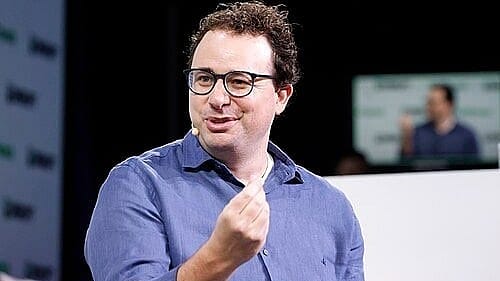
Anthropic Chief Executive Officer Dario Amodei has said governance by artificial intelligence (AI) would be a “terrible idea”, arguing that increasingly capable systems must remain subject to legitimate democratic processes and human oversight.
In a post on X, Amodei dismissed suggestions that he supported handing control of human affairs to AI, saying it would be “absurd” to surrender decision-making powers to such systems.
“We should never sacrifice legitimacy or self-determination at the altar of efficiency or security,” he said, arguing that the case against autocratic rule applied equally to governance by AI.
His remarks followed an Axios report that some employees at Anthropic believed humanity would eventually hand over decision-making authority to superintelligent AI systems and, in certain circumstances, should do so. The report also highlighted opposition among executives at other AI companies to such a possibility.

Anatomy Of A Stillborn Revolution
20 Nov 2026 - Vol 01 | Issue 01
Whatever Happened To The Cockroach Janta Party?
Anthropic said Amodei had consistently advocated keeping AI under human control.
AUTOMATION VERSUS AI GOVERNANCE
Amodei distinguished between AI systems taking over governance and automating specific tasks such as driving, designing medicines and writing software.
He said greater automation could deliver economic benefits and accelerate progress in medicine, transportation and energy. However, he cautioned that the technology also carried risks that required careful oversight.
One of his concerns was recursive self-improvement, in which AI systems help develop increasingly advanced versions of themselves. Such a process, he warned, could allow AI capabilities to advance faster than humans could control or adapt to them.
“As we said publicly in early November, we don't expect it to be safe for Claude to build successive frontier models fully autonomously, without meaningful human supervision or understanding,” he said.
JOB DISRUPTION AND HUMAN OVERSIGHT
Amodei also warned that widespread automation could cause significant job disruption in some sectors. He said certain deployments might need to be slowed or paused to give workers time to adapt to the changes.
He further cautioned against relying too heavily on AI-assisted alignment research, saying researchers needed to approach the process carefully because they might not be able to fully trust the systems' work.
Amodei argued that decisions on the pace and extent of automation should not be left to a single authority. Instead, they should involve society, governments, AI companies and individuals.
He also criticised what he described as “vibes-based commercial and political positioning” by some AI executives, arguing that companies were using phrases such as “human control and agency” without adequately addressing the difficult questions raised by automation.
The debate comes as leading AI companies develop increasingly capable systems, prompting questions about the limits of automation, the future of employment and how much decision-making authority should remain with humans.
With inputs from ANI