81 Years After Hiroshima, Japan Warns the World Against Forgetting the Cost of Nuclear War
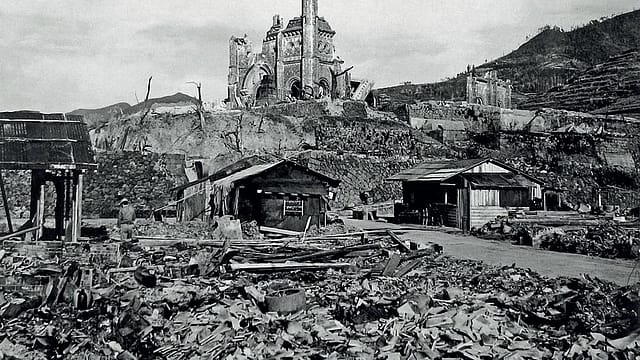
At 8:15 on Thursday morning, Hiroshima fell silent.
For one minute, the city paused at the exact moment when history changed forever.
Eighty-one years after the United States dropped the atomic bomb Little Boy over Hiroshima, Japan once again honoured the victims of the world's first nuclear attack and renewed its appeal for a future without nuclear weapons.
The annual memorial ceremony at Hiroshima Peace Memorial Park brought together Prime Minister Takaichi Sanae and representatives from a record 123 countries and regions. An updated register containing the names of 353,639 atomic bomb victims was placed inside the cenotaph, while thousands observed a minute's silence at the exact time the bomb exploded over the city in 1945.

Losing Memory
16 Oct 2026 - Vol 05 | Issue 42
The making of a medical and social emergency
The attack remains one of the deadliest in human history.
The uranium bomb destroyed much of Hiroshima in seconds. By the end of 1945, an estimated 140,000 people had died from the blast, burns and radiation. Three days later, a second atomic bomb, Fat Man, struck Nagasaki, before Japan surrendered on August 15, bringing World War II to an end.
The human cost did not end with the war.
Thousands of survivors, known as hibakusha, spent decades battling cancers and other radiation-related illnesses while becoming some of the world's strongest voices against nuclear weapons. As of March this year, around 91,000 hibakusha remain alive in Japan, with an average age of 86.
This year's ceremony carried added urgency.
Japan's appeal comes as global nuclear anxieties have resurfaced amid geopolitical conflicts and the erosion of arms-control frameworks. The expiry of the New START Treaty between the United States and Russia earlier this year, coupled with the failure of the latest Review Conference of the Nuclear Non-Proliferation Treaty to reach consensus, has renewed concerns about the future of nuclear restraint.
Against that backdrop, Hiroshima's annual message was not just about remembering the past.
It was a reminder that the lessons of August 6, 1945, remain unfinished—and that the world's only country to have suffered atomic bombings continues to argue that the cost of nuclear war should never have to be learned again.
(With inputs from ANI)