100% tariffs on India over Russian oil? The US Congress vote that has put New Delhi in focus
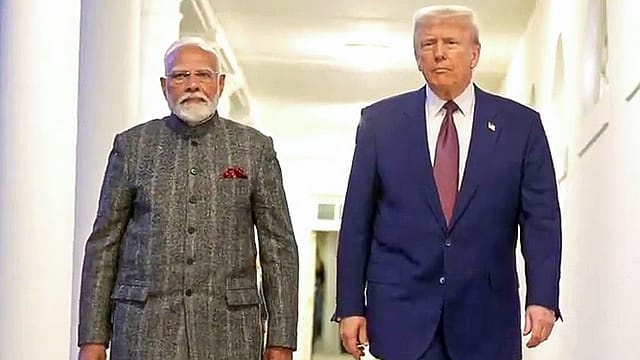
When lawmakers in Washington debate sanctions on Russia, the consequences usually feel distant from New Delhi. But not this time.
A high-stakes Russia sanctions bill advancing through the US House of Representatives has suddenly put India in the spotlight after lawmakers proposed an amendment that explicitly names India among countries that could face tariffs of up to 100% over purchases of Russian oil. The legislation is part of a broader effort to increase economic pressure on Moscow over the Ukraine war, but it has also triggered questions about what it could mean for India-US trade ties and India's energy strategy. According to Reuters, the bill has already cleared the Senate with overwhelming bipartisan support and is now heading toward a crucial House vote.
Why is India suddenly being mentioned in a US Russia sanctions bill?
India was not originally the headline target of the legislation. The broader bill seeks to tighten sanctions on Russia's leadership, energy sector and networks accused of helping Moscow evade existing restrictions. However, a recent House amendment explicitly identified India, China and several other countries as major buyers of Russian oil that could be subjected to tariffs of up to 100%.

Zeroing In on ECI
09 Oct 2026 - Vol 05 | Issue 41
Constitutional legitimacy versus political opportunism
This marks a shift from earlier versions of the legislation, which referred more generally to countries purchasing significant quantities of Russian energy without naming them directly.
What exactly does the Russia sanctions bill propose?
The legislation, often referred to as the Sanctioning Russia Act, is designed to increase pressure on Moscow's economy and reduce revenues from energy exports that Western governments argue help finance Russia's war effort in Ukraine. Reuters reported that the bill would authorize significant sanctions against Russian entities and create mechanisms for imposing tariffs on countries that continue purchasing large volumes of Russian energy.
Supporters argue that targeting buyers of Russian oil could make sanctions more effective. Critics, however, say such measures could strain relations with strategic partners and increase costs for consumers.
Could India really face 100% tariffs?
Not necessarily. The key word is ‘could’.
The House is still considering multiple amendments. One proposal would explicitly identify a group of countries, including India and China, for potential tariff action. Another amendment seeks to remove or limit some of the tariff-related provisions altogether, according to congressional reporting cited by The Indian Express.
The final shape of the legislation will depend on which amendments survive the House process and what ultimately reaches the White House.
Why does India continue buying Russian oil?
The answer largely comes down to energy security and pricing.
Since the Ukraine conflict reshaped global energy markets, Russia has become one of India's largest crude oil suppliers, offering discounted supplies that helped India manage import costs. India has consistently maintained that it purchases energy based on national requirements and market considerations. Trade between India and Russia expanded significantly after Western sanctions redirected Russian exports toward Asian markets.
For New Delhi, affordable energy remains a critical economic priority, particularly for a country that imports the majority of its crude oil requirements.
Could this affect the India-US trade relationship?
Potentially, yes — which is one reason the developments are being watched closely.
India and the United States have spent the past year working to deepen economic ties, with trade negotiations and market-access discussions remaining an important part of the relationship. According to media reports, some observers believe aggressive tariff provisions could complicate broader trade discussions between the two countries.
At the same time, strategic cooperation between New Delhi and Washington extends far beyond trade, covering defence, technology, critical minerals and Indo-Pacific security.
What happens next in Washington?
The immediate focus is the House vote.
House leaders have reportedly moved the bill forward after Senate approval, but passage is not guaranteed because some lawmakers from both parties have raised concerns about the scope of presidential tariff powers and the potential impact on allies and trading partners.
Support for tougher sanctions on Russia reportedly remains strong, but disagreements over implementation and tariff authority have complicated the bill's path.
Why this vote matters even if tariffs never happen
The bigger story is not just about tariffs.
It is about how the Ukraine war continues to reshape global trade, energy flows and diplomatic relationships. India has emerged as one of the world's most important energy buyers and a key strategic partner for both the West and the Global South. That means decisions taken in Washington increasingly have implications for New Delhi — and vice versa.
Whether the final bill names India, exempts it or softens its provisions, the debate itself reveals a larger reality: energy security, geopolitics and trade are becoming harder to separate. And as the US Congress prepares to vote, India is no longer watching this sanctions battle from the sidelines. It has become part of the story.
(With inputs from agencies)