Super Intelligence, Safety Promises: Tech Chiefs Sign Trump’s AI Accord
Leading technology companies have signed up to voluntary safety standards for frontier artificial intelligence at a White House meeting convened by US President Donald Trump, committing to multiple layers of scrutiny as they develop increasingly powerful systems.
The agreement calls for internal monitoring, dedicated oversight teams, independent external assessments and scrutiny by board committees. Participating companies also agreed to meet regularly to establish safety standards and share best practices.
The commitments come as the administration adopts “Super Intelligence” as its preferred term for the technology and considers whether to translate the agreement into laws or regulations. For now, the accord remains voluntary.
Tuesday’s meeting included Google CEO Sundar Pichai, Anthropic CEO Dario Amodei, Meta CEO Mark Zuckerberg, OpenAI’s Greg Brockman, xAI chief Elon Musk and Nvidia CEO Jensen Huang.

Losing Memory
16 Oct 2026 - Vol 05 | Issue 42
The making of a medical and social emergency
“If we do this right, we work with the President and everyone here, we can win safely,” said Amodei.
Four Layers of Safety Oversight
According to a White House statement, companies training and deploying frontier models committed to four layers of controls and audits intended to ensure that their systems behave as expected and that problems are identified and addressed promptly.
The first involves robust internal controls to monitor model capabilities and alignment during training and deployment. These controls would cover risks involving cybersecurity, biosecurity and chemical threats, while also seeking to prevent models from hacking or accessing technical systems in unintended ways.
The second requires an empowered internal team to check whether controls, monitoring and detection mechanisms are functioning properly and whether identified problems are being resolved.
The third brings in an independent external auditor or evaluator to assess those safeguards.
The fourth places oversight with an independent committee of the company’s board of directors. This committee would receive reports from the teams operating the controls and from internal and external reviewers, and ensure that issues are addressed.
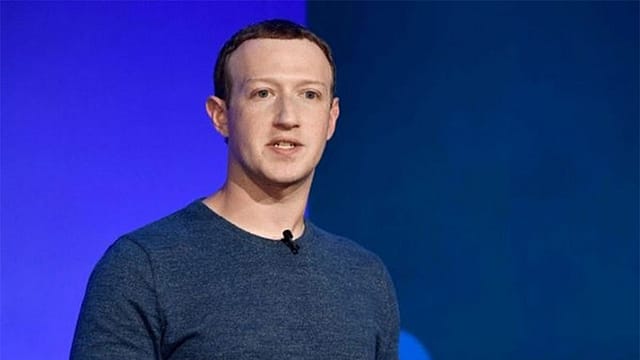
Zuckerberg said the companies had agreed to “multiple layers of auditing and controls”, including internal evaluations and external audits, to build public confidence that the technology works as intended.
Can Innovation and Safety Advance Together?
Huang argued that stronger capabilities and better safeguards could be developed together.
“There’s no conflict between innovation, technology and safety,” he said.
Musk, meanwhile, said AI and robotics would change the nature of jobs and workplaces, while expressing optimism about the likely outcome.
“I think the most likely outcome, and it’s probably worth looking at the most likely outcome, is one which is incredibly beneficial. If you could look into the future, it is the future you would want,” he said.
The White House described the controls and audits as critical to ensuring a safe future, saying the participating companies had committed to implementing them.
A Voluntary Accord, With Regulation Still Under Consideration
The administration is considering whether to codify what was described as a “morally binding agreement” into laws or regulations. That leaves the current commitments dependent on implementation by the participating companies.
Trump presented the accord as a shared undertaking between Washington and the technology industry.
“The one thing that we all have in common is we love our country and we love the world, and we want to make sure it’s a safe place, and what we’re talking about today will make it a better place,” he said.
He later compared the agreement to “a constitution in a way”.
The commitments establish a framework for oversight. Whether that framework delivers effective safeguards will depend on how the controls operate, how independently they are assessed and how companies respond when problems emerge.
With inputs from ANI