Google Back in Eyewear Business With ‘Audio Glasses’: This Time It Looks Very Different
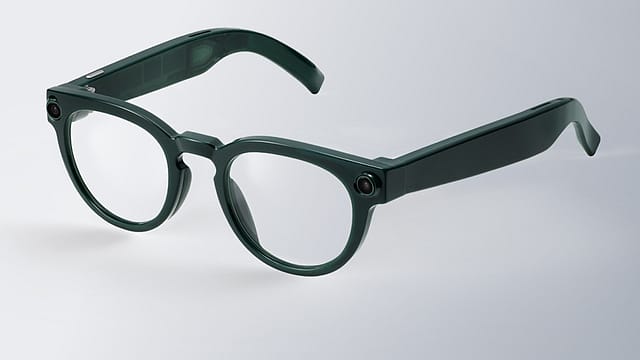
More than a decade after Google Glass became one of tech's most notorious failures, Google is back in the eyewear business. This time, the company arrives with better design partners, a more capable AI backbone, and a far clearer sense of what consumers actually want. The audio glasses unveiled at Google I/O 2026 are sleeker, smarter, and considerably more ambitious than anything the company has attempted before.
What Are Google's Audio Glasses?
Google’s audio glasses are smart eyewear equipped with a built-in microphone, camera, and speaker. They allow users to make calls, listen to music, take photos, and interact with the Gemini AI assistant without reaching for a phone. Samsung handled the technical development, and the glasses run on Google's Android XR platform.

Zeroing In on ECI
09 Oct 2026 - Vol 05 | Issue 41
Constitutional legitimacy versus political opportunism
Who Designed Them and When Do They Arrive?
Google revealed two collections at its I/O developer conference in Mountain View, California. One comes from American brand Warby Parker and the other from South Korean designer Gentle Monster. Both are expected on sale later in 2026.
What Can the Gemini AI Assistant Do?
A demo showed the glasses using Gemini to place a coffee order and add a calendar event through voice alone. The glasses can also summarise notifications, deliver real-time audio translations matching a speaker's voice, and translate text visible on menus or signs in the wearer's line of sight.
How Do They Compare to Meta's Ray-Ban Smart Glasses?
This is the direct battleground. According to NDTV, Meta's Ray-Ban smart glasses have sold at least seven million units. Google's audio glasses carry a comparable feature set but currently launch without a display in the lens, where Meta already has an edge with its display-equipped model released in late 2025.
Will Privacy Concerns Follow These Glasses Too?
The original Google Glass was shelved in 2013 largely over surveillance fears. The new smart glasses carry an exterior camera and are designed to look like ordinary eyewear, raising identical questions. Google has yet to detail its privacy safeguards ahead of launch.
What Does Google's Return Mean for the Smart Glasses Market?
It signals the category has matured. Backed by Samsung's hardware, Gemini's AI capabilities, and credible fashion partnerships, Google is making a serious second attempt. Whether it can close the gap on Meta's commanding lead will depend as much on consumer trust as on technology.
(With inputs from yMedia)