Why Usman Khawaja’s Retirement Is About More Than Cricket
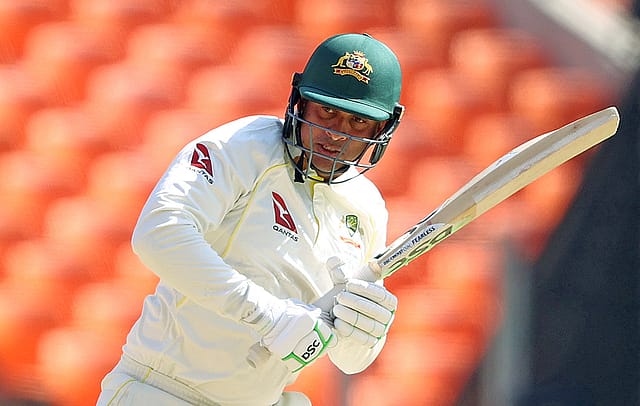
Usman Khawaja will walk out at the Sydney Cricket Ground one last time later this month, ending an international career that spanned 87 Tests, 6,206 runs, and nearly a decade and a half of wearing Australia’s whites. On paper, it is a dignified farewell, retiring after the fifth Ashes Test, at a ground he loves, and on his own terms. But Khawaja’s exit is about far more than timing or numbers. It is about what it meant to belong, and still feel different.
At a 50-minute press conference at the SCG, Khawaja confirmed that the decision had been forming for some time. Conversations with his wife, Rachel, played a key role, as did the early uncertainty of this Ashes series. Not being picked initially for the Adelaide Test felt like a signal. “That was probably a sign for me to say, all right, it’s time to move on,” he said. He was keen to leave with dignity, not linger on, not be seen as “hanging on” for selfish reasons
Yet the most striking moments of the press conference had little to do with retirement plans. They had everything to do with race.
“I’m a coloured cricketer,” Khawaja said, bluntly, reflecting on the criticism he faced earlier in the series after suffering back spasms. The injury followed his participation in a golf event before the Perth Test, an episode that triggered days of relentless scrutiny. Khawaja felt the attacks went far beyond form or fitness. They questioned his commitment, his preparation, even his character.
“These are the same stereotypes I’ve grown up with my whole life,” he said. What hurt most was the double standard. Other players had played golf, had drinks, had been injured, and it was brushed off as being “Aussie larrikins.” When Khawaja was injured, he felt his credibility was put on trial. “I’ve never seen anyone treated like that in the Australian cricket team before,” he said.

The MissOil Strike
03 Apr 2026 - Vol 04 | Issue 65
The War on Energy Security
This sense of being different has followed Khawaja throughout his career. As Australia’s first Muslim Test cricketer, he often carried expectations, and judgments, that went unspoken but were always present. Even now, at the end, he admits there is “still a little bit out there” that he has had to fight every single day.
And yet, Khawaja stayed. Not for himself, he insists, but because he was asked to. Head coach Andrew McDonald wanted him for Sri Lanka, for the World Test Championship, for stability at the top. “If you want me to retire, I will retire straight away,” Khawaja told him. The door, he says, was never kept open for ego.
That, perhaps, is the clearest measure of his career. Khawaja leaves not as a man clinging to relevance, but as one who absorbed pressure quietly: runs, resilience, and resistance rolled into one. He will continue playing domestic cricket, turning out for Brisbane Heat and Queensland, but the international chapter closes with something rare: honesty.
(yMedia and ANI are content partners for this story)