PSL Controversy: Fakhar Zaman Charge Brings Ball Tampering Back into Focus
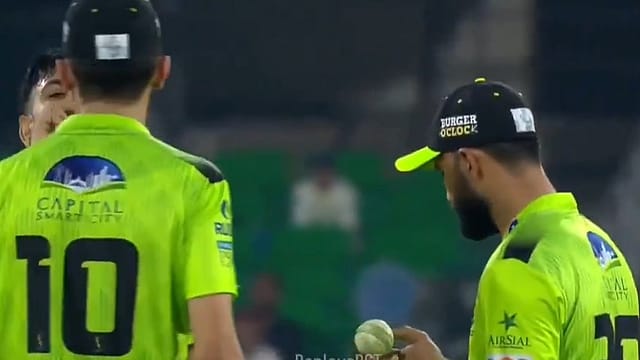
The Pakistan Super League has been rocked by a ball tampering row after Fakhar Zaman was charged during a high-pressure finish in Lahore. From John Lever’s Vaseline episode to the Brisbane controversy, such incidents have long tested cricket’s integrity, but the PSL case shows how scrutiny is now instant and unforgiving.
Here’s a more detailed look.
What happened in the PSL 2026 ball tampering controversy, and what charges have followed?
The controversy erupted during Lahore Qalandars’ clash with Karachi Kings at Gaddafi Stadium on March 29, when cameras caught Fakhar Zaman handling the ball in a huddle with Shaheen Afridi and Haris Rauf just before the final over.
Umpire Faisal Afridi intervened, awarding a five-run penalty that shifted momentum. Fakhar has since been charged with a Level 3 offence under Article 2.14, though he denied the allegations during an initial hearing with referee Roshan Mahanama.
How has ball tampering shaped cricket history?
Ball tampering has repeatedly surfaced across eras. From John Lever’s Vaseline controversy to the sandpapergate incident, players have been penalised for altering the ball. These cases gradually pushed cricket toward stricter monitoring and disciplinary frameworks.
How does the Vaseline controversy compare to the PSL ball tampering case?
The 1977 Vaseline incident involving John Lever marked one of cricket’s earliest disputes over artificial substances accused of using petroleum jelly to aid ball swing, though no punishment followed.

Youth Issue 2026
24 Apr 2026 - Vol 04 | Issue 68
50 Portraits of Icons and Achievers
In contrast, the PSL case shows far stricter enforcement, with immediate penalties and formal charges, reflecting how regulation and scrutiny have evolved.
How does the Waqar Younis controversy relate to the PSL ball tampering case?
When Waqar Younis was banned in 2000 for lifting the seam and altering the ball, it marked cricket’s first major suspension for ball tampering. The PSL case reflects a stricter evolution, where similar actions now lead to instant on-field penalties, video scrutiny, and quicker disciplinary proceedings.
How does the Brisbane lozenge controversy compare to the PSL ball tampering case?
During a 2003-04 tri-series match in Brisbane, Rahul Dravid was fined 50% of his match fee after cameras showed him applying saliva mixed with a cough lozenge to polish the ball.
Though he claimed it was unintentional, officials treated it as the use of an artificial substance. The PSL case reflects far stricter enforcement, where umpires acted instantly and initiated formal charges based on live footage.
How does the Sandpapergate scandal compare to the PSL ball tampering case?
During the 2018 Cape Town Test, Cameron Bancroft was caught on camera using sandpaper to rough up the ball, later admitting it was part of a plan involving Steve Smith and David Warner. The fallout led to year-long bans and a major review of cricket’s disciplinary system.
The PSL case, though smaller in scale, reflects the same strict, zero-tolerance approach, with immediate penalties and rapid investigation driven by broadcast footage.
What happened in the Shahid Afridi biting controversy?
In 2010, Shahid Afridi was caught on camera biting the ball during an ODI against Australia in Perth. Initially claiming he was trying to “smell” it, Afridi later admitted altering the ball’s condition. He was handed a two-match ban, with the incident drawing widespread criticism for its unusual nature.
What does the PSL controversy mean for cricket’s credibility?
The PSL incident underlines how quickly questions of integrity can surface in modern cricket. With real-time broadcasts and strict regulations, even brief lapses invite scrutiny. Such controversies risk damaging the league's reputation and players' credibility, reinforcing the need for consistent enforcement and greater accountability.
(With inputs from yMedia)