Pakistan cricket stays riddled with crisis: Akhtar, Hafeez question governance & vision
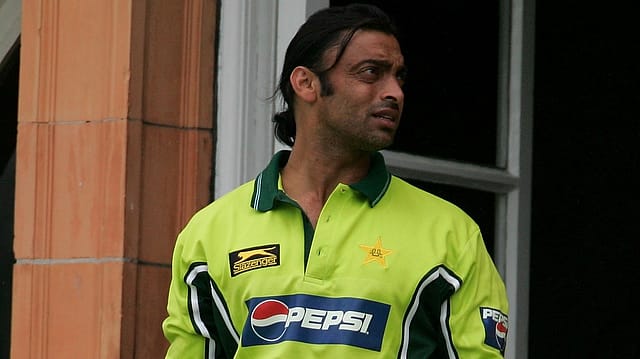
The crisis within Pakistan cricket came into the spotlight after a heavy defeat to India during a group stage match in Colombo on February 15.
An over-reliance on spinners cost them a crucial T20 World Cup game. The sombre mood across the country is palpable, with veteran cricketers not mincing a word while criticising the Pakistan Cricket Board.
Former captain Mohammad Hafeez has launched a scathing critique of skipper Salman Ali Agha, highlighting poor tactical decisions and a lack of long-term vision in Colombo.
Speaking on Tapmad, Mohammad Hafeez argued that Pakistan’s struggles in major tournaments reflect deeper structural issues, contrasting them with the consistency of the India cricket team. He stressed that India’s success stems from setting and meeting high standards across conditions, something he believes Pakistan has failed to institutionalise.

The Health and Wellness Issue
25 Sep 2026 - Vol 05 | Issue 39
Hafeez further questioned why effective bowling options were abandoned early and why key players were underutilised. He described the delayed deployment of Usman Tariq as a critical error, arguing that Pakistan squandered its tactical advantage at a decisive moment.
For Hafeez, these mistakes were not isolated lapses but symptoms of a system that fails to prepare leaders for high-pressure situations.
Why is former pacer Shoaib Akhtar targeting Mohsin Naqvi?
The criticism intensified when former fast bowler Shoaib Akhtar delivered an emotional rant following the defeat. He openly questioned the competence of PCB and its chairman Mohsin Naqvi.
Akhtar warned that appointing “unqualified” individuals to powerful positions inevitably damages institutions. He argued that turning players into “stars” without building a winning culture only deepens mediocrity. According to him, weak leadership at the top filters down to poor planning, inconsistent selection, and fragile team confidence.
His remarks resonated with frustrated fans who see repeated losses to the Pakistan cricket team’s arch-rivals as evidence of systemic decay. Analysts say public criticism from respected former players reflects a growing loss of faith in existing structures.
Together, the warnings from Hafeez and Akhtar, combined with broader concerns about non-cricket sports, paint a picture of a nation struggling to sustain excellence. Without transparent governance, professional administration, and renewed grassroots investment, Pakistan risks further erosion of its sporting legacy.
While eyes stay on Men's T20 World Cup, India Women A stun Pakistan in Rising Stars clash
What ails the sporting sector in Pakistan?
Pakistan’s sporting ecosystem is struggling under years of administrative neglect, shrinking budgets and weak institutional backing, according to a The Express Tribune report. While cricket continues to dominate sponsorships and television deals, athletes in other disciplines are left battling uncertainty and fading opportunities.
Observers point to outdated training systems, limited access to modern facilities and opaque selection processes that have steadily eroded morale. Long-serving administrators, critics say, operate with little accountability, creating an environment resistant to reform. The gradual withdrawal of government-backed jobs in public sector institutions has further weakened financial security for athletes, forcing many to abandon professional ambitions.
At the grassroots level, reduced school competitions and shrinking quotas have narrowed the talent pipeline. Parents --- wary of unstable prospects --- increasingly push children towards safer careers. Experts warn that isolated individual successes cannot compensate for the absence of a coherent national sports policy, transparent leadership, and sustained domestic investment.
(With inputs from ANI)