Iran Confirms FIFA World Cup 2026 Participation — But What Are Its Conditions?
Iran has made it clear that it will take part in the FIFA World Cup 2026, but not without laying down specific conditions for the host nations — the United States, Mexico and Canada. The announcement comes amid ongoing geopolitical tensions that have already spilled into the footballing arena.
Why is Iran insisting on conditions despite confirming participation?
The Iran Football Federation (FFIRI) has struck a careful balance between commitment and caution. While confirming its place in the tournament, the federation emphasized that participation would not come at the cost of its national identity or dignity.
"We will definitely participate in the 2026 World Cup, but the hosts must take our concerns into account," the Iranian federation said on its official website as quoted by Al Jazeera. It added, "We will participate in the World Cup tournament, but without any retreat from our beliefs, culture, and convictions."
Look Who's Talking Regime Change
23 Oct 2026 - Vol 05 | Issue 43
This stance reflects broader concerns about how Iranian players, officials, and symbols will be treated during the tournament, particularly in the United States.
What triggered these concerns in the first place?
Tensions escalated after Canada denied entry to the head of the Iranian federation ahead of a recent FIFA Congress, citing alleged links to the Islamic Revolutionary Guard Corps (IRGC). Canada had designated the IRGC as a "terrorist group" in 2024, a move that added a political dimension to sporting interactions.
This incident has heightened Iran’s concerns about whether similar restrictions could affect its delegation during the World Cup.
What exactly are Iran’s demands from the host nations?
According to federation president Mehdi Taj, Iran has presented 10 conditions to the host countries. These demands revolve around ensuring smooth and respectful participation.
Key expectations include timely visa issuance for players and staff, respect for Iran’s national flag and anthem, and adequate security at airports, hotels, and stadium routes. These are not unusual in international tournaments, but the emphasis signals Iran’s apprehension about potential diplomatic friction affecting logistics.
How has the United States responded?
The United States has attempted to reassure Iran publicly. Marco Rubio stated that Iranian players would be welcome to compete in the tournament. However, he also made it clear that individuals with alleged ties to the IRGC could still face entry restrictions.
This dual stance underscores the challenge of hosting a global sporting event amid complex international politics, where sporting openness and national security policies can collide.
Where does Iran stand in the tournament?
Iran has already secured qualification for the expanded 48-team tournament and has been placed in Group G alongside Belgium, New Zealand, and Egypt. Their matches are currently scheduled to take place in Los Angeles and Seattle.
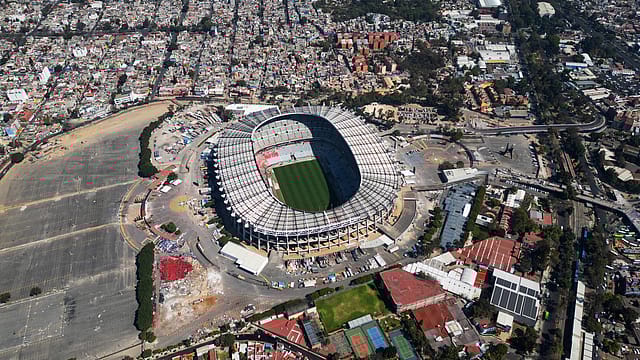
The FIFA World Cup in 2026 will be the largest ever, featuring 48 teams and 104 matches. The opening game is set for Mexico City, while the final will be held in New Jersey.
What does this mean for the World Cup?
Iran’s position highlights how global sporting events are increasingly intersecting with international diplomacy. While the team’s participation seems assured, the situation remains fluid, with logistics, security, and political considerations still in play.
(With inputs from ANI)