From World Cup Glory to Corruption Case: Why Cricket Icon Arjuna Ranatunga Faces Arrest
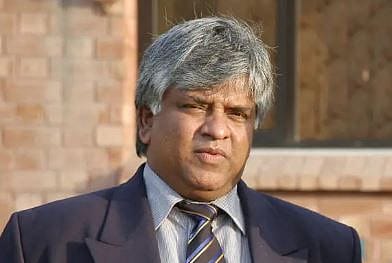
Arjuna Ranatunga once stood as the face of Sri Lanka’s greatest sporting triumph, leading the island nation to its historic 1996 Cricket World Cup victory. Nearly three decades later, the former captain and ex-minister is staring at imminent arrest in a high-profile oil procurement corruption case, marking a dramatic fall from national hero to criminal suspect. Sri Lanka’s Commission to Investigate Allegations of Bribery or Corruption has named Ranatunga as a suspect in a case linked to massive financial losses at the Ceylon Petroleum Corporation (CPC) during his tenure as Petroleum Minister between 2017 and 2018. Here’s a lowdown.
What Are the Allegations Against Ranatunga?
Investigators allege that during Ranatunga’s time as minister, three long-term fuel procurement tenders were cancelled and replaced with spot tenders, resulting in fuel being purchased at significantly higher prices. This shift, according to authorities, caused losses of nearly 800 million Sri Lankan rupees to the state-run CPC.
The case also involves Ranatunga’s brother Dhammika Ranatunga, who served as CPC chairman at the time and has been named the primary suspect. Arjuna Ranatunga has been listed as the second suspect, raising serious questions about conflict of interest and coordinated decision-making.
Why Has Ranatunga Not Been Arrested Yet?
The MissOil Strike
03 Apr 2026 - Vol 04 | Issue 65
The War on Energy Security
Authorities told the Colombo Magistrate’s Court on December 16, 2025, that Ranatunga could not be taken into custody immediately as he is currently overseas. Officials have assured the court that he will be arrested upon his return to Sri Lanka.
His brother Dhammika was arrested the same day but later released on bail. The court imposed a foreign travel ban on him, citing concerns over his dual Sri Lankan–US citizenship and the need to ensure his availability for the investigation.
How Does Fit Into Sri Lanka's Broader Anti-Corruption Drive?
The case against the Ranatunga brothers is unfolding against the backdrop of President Anura Kumara Dissanayake’s aggressive anti-corruption campaign. Elected in 2024 on a promise to dismantle entrenched corruption, the President has positioned high-profile prosecutions as proof that no individual—regardless of fame or legacy—is above the law.
Notably, another Ranatunga sibling, Prasanna Ranatunga, was arrested in November 2025 in a separate insurance fraud case, further intensifying scrutiny on the family.
What Could Ranatunga Face If Convicted?
Legal experts say a conviction in a corruption case involving state assets could result in lengthy imprisonment, heavy fines, asset confiscation, and a permanent ban from public office. The next court hearing is scheduled for March 13, 2026, a date expected to shape the future course of the prosecution.
How Has Cricket Community Reacted To These Allegations?
The allegations have sent shockwaves through the cricketing community. To many Sri Lankans, Ranatunga remains the defiant captain who reshaped the nation’s cricketing identity in 1996. Yet, there is growing acknowledgment that sporting achievements cannot shield public figures from accountability.
What Role Did Ranatunga Brothers Play In The Alleged Scam?
According to investigators, the alleged scam hinged on the overlap of power between Arjuna Ranatunga as minister and Dhammika Ranatunga as CPC chairman. The cancellation of long-term tenders and shift to spot purchases allegedly allowed select suppliers to profit at public expense, while exposing systemic weaknesses in procurement oversight.
Why This Case Matters Beyond One Man?
The political implications stretch far beyond Ranatunga’s personal fate. The case has become emblematic of Sri Lanka’s long struggle with corruption in state-owned enterprises, particularly in the energy sector. Prosecuting a national icon tests the credibility of the government’s reform agenda—and forces a broader reckoning with how celebrity status has historically blurred lines of accountability.
What Happens Next?
Once Ranatunga returns to Sri Lanka, authorities are expected to execute his arrest and formally charge him. Investigators are still examining documentation related to 27 procurement transactions, suggesting the probe could stretch over several months.
The unfolding case represents a watershed moment for Sri Lanka—testing both its commitment to the rule of law and its willingness to confront uncomfortable truths about power, privilege and public trust. For a nation that once celebrated Arjuna Ranatunga as a sporting saviour, the reckoning now lies in the courtroom, not the stadium.