From Pitch to Pump: Why the NGT Is Targeting Cricket Stadiums Over Water Use
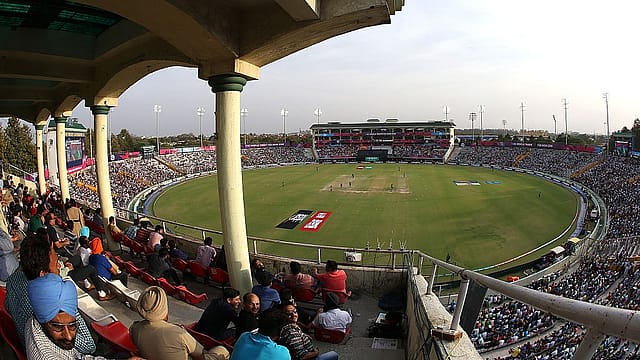
India’s cricket stadiums—icons of sporting glory—are facing uncomfortable scrutiny for what lies beneath their lush green pitches.
The National Green Tribunal (NGT) has issued fresh directions against several cricket associations across the country, expressing grave concern over their continued extraction of groundwater to maintain playing fields, despite repeated orders to switch to treated sewage water.
Hearing an execution application linked to an ongoing environmental case, a Bench led by Justice Prakash Shrivastava, Chairperson of the NGT, along with expert member A Senthil Vel, made it clear that patience was wearing thin.

Losing Memory
16 Oct 2026 - Vol 05 | Issue 42
The making of a medical and social emergency
The warning follows a consolidated report filed by the Central Ground Water Authority (CGWA) on January 20, which mapped water-use practices at major cricket stadiums nationwide. The findings were stark: even after directions issued in November 2024 and July 2025, several stadiums continue to draw heavily on groundwater—either without installing sewage treatment plants (STPs) or by ignoring treated water that is already available.
One of the clearest examples cited was the IS Bindra Stadium in Mohali, operated by the Punjab Cricket Association. The tribunal noted that the stadium uses around 6,000 kilolitres of groundwater every month for irrigation and has no STP in place. The association’s claim that treated water was unavailable was rejected outright, with the tribunal relying on official records showing that both secondary and tertiary treated water could be sourced from nearby sewage treatment plants for a fee.
Such conduct, the Bench observed, reflects a “clear reluctance” to comply with environmental safeguards and has a serious adverse impact on the environment, particularly in water-stressed regions.
Mohali was not alone.
The tribunal flagged similar groundwater dependence at prominent venues including Jamtha Stadium in Nagpur, Eden Gardens in Kolkata, Chaudhary Bansi Lal Cricket Stadium in Lahli (Haryana), Karyavattom Sports Facilities in Kerala, and the ACA Stadium in Baraspara, Guwahati. These stadiums have been given six weeks to explain why groundwater extraction continues and to detail steps taken to curb it.
The tribunal reserved its strongest criticism for twelve cricket associations that failed to submit compliance reports altogether—despite multiple opportunities. Among them are marquee venues such as Arun Jaitley Stadium (Delhi), MCA Stadium Gahunje (Pune), Sawai Mansingh Stadium (Jaipur) and Rajiv Gandhi International Stadium (Hyderabad).
Calling the lapses a cause of avoidable delay, the NGT imposed environmental compensation of ₹5,000 each on all defaulting associations, to be paid within two weeks. Only after depositing the cost will they be allowed another six weeks to file their responses with the CGWA.
The case will now be taken up again on April 16, 2026, as the tribunal signals that sporting prestige will no longer shield institutions from environmental accountability.
(With inputs from ANI)