FIFA World Cup: What Happens If Iran Withdraws, and Who Replaces Them?
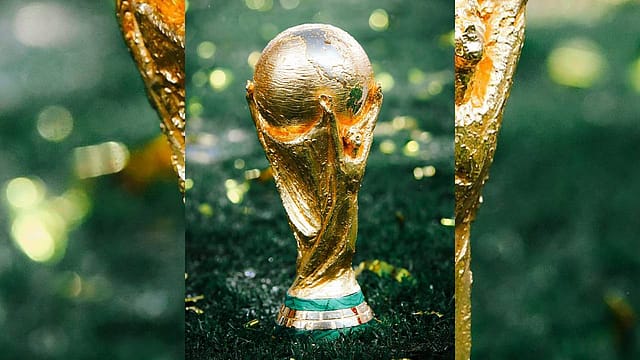
A potential Iranian withdrawal has become one of the most complex crises facing the FIFA World Cup ahead of the 2026 tournament. With Iran citing security concerns and geopolitical tensions, FIFA officials must now determine how the competition will proceed and whether another AFC nation will replace them.
Here’s a more detailed look.
Why Is Iran Threatening to Withdraw From the FIFA World Cup?
Iran’s Sports Minister Ahmad Donyamali said on March 11 that the Iranian national team cannot participate in the FIFA World Cup, which is being hosted partly by the United States, Canada, and Mexico.
According to WION, the decision follows escalating conflict in West Asia and security concerns for Iranian players traveling to host nations.
How Did This Crisis Escalate So Quickly?
The crisis intensified after military strikes in the Middle East killed Iran’s Supreme Leader Ayatollah Ali Khamenei. According to ESPN, Iran’s government considers the United States a hostile environment, arguing that safety guarantees for players and officials cannot be trusted.
What Is FIFA’s Official Rule If a Qualified Team Withdraws?
FIFA regulations allow the governing body significant discretion. Regulation 6.7 of the World Cup regulations enables FIFA to impose fines and decide whether to replace the team or proceed with fewer participants.

Youth Issue 2026
24 Apr 2026 - Vol 04 | Issue 68
50 Portraits of Icons and Achievers
Iran could face financial penalties ranging from $324,000 to $648,000.
Why Did Donald Trump Warn Iran Against Participating in the 2026 FIFA World Cup?
President Donald Trump said the Iranian team would be “welcome” at the FIFA World Cup but warned that their participation might not be appropriate for their “life and safety,” according to his March 12 Truth Social post. The remark contradicted earlier assurances given to FIFA about player security.
Could Iraq Replace Iran in the Tournament?
Iraq is widely viewed as the most practical replacement from the AFC region. Iraq is currently involved in an intercontinental playoff and could be promoted directly into Iran’s slot, allowing another team to take Iraq’s place in the playoff bracket.
Why Is The United Arab Emirates Also Being Considered?
The United Arab Emirates finished behind Iran in the same Asian qualifying pathway. Analysts quoted by WION argue that the UAE could claim the position as the direct runner-up from that qualification route, making it a straightforward administrative replacement if Iran formally withdraws.
Could FIFA Choose a Different Replacement Strategy?
FIFA might wait until the intercontinental playoffs conclude before making a decision. According to The New York Times, the governing body could offer the slot to the highest-ranked team that narrowly misses qualification in the playoff system.
What Financial Penalties Could Iran Face?
Withdrawal would carry significant financial consequences. According to CBS Sports, Iran would need to return roughly $1.5 million in preparation funds and forfeit at least $9 million in guaranteed prize money. Additional fines and possible future competition bans are also under consideration.
What Does This Mean for the 2026 FIFA World Cup?
The crisis raises logistical and political questions for the tournament’s organizers. ESPN reports that FIFA President Gianni Infantino has been discussing the situation with U.S. officials, including President Donald Trump, as governing bodies attempt to resolve the diplomatic impasse before kickoff.
What Happens Next Before the Tournament Begins?
FIFA is expected to decide before the March 31 intercontinental playoff deadline. The governing body must ensure the tournament schedule remains intact. With the expanded 48-team format debuting in 2026, organizers are reluctant to leave a group incomplete.
What Does Iran’s Possible Withdrawal Mean for Global Football Politics?
The Iranian situation highlights how global sport often intersects with international politics. The FIFA World Cup has historically navigated boycotts and diplomatic disputes, but a withdrawal so close to kickoff would be rare.
FIFA’s final decision will shape both the tournament and the precedent for future geopolitical conflicts in football.
(With inputs from yMedia)