Rahul Gandhi in Hyderabad: What Telangana’s gig workers law offers
A delivery executive rushing to meet a deadline, a cab driver waiting for the next booking, or a platform worker whose earnings depend on an app’s algorithm: these are familiar sights in Hyderabad’s expanding urban economy. But behind the convenience of ordering food or booking a ride lies a difficult question: who looks after the people providing these services?
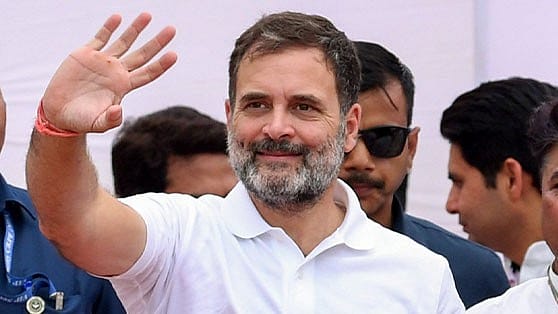
That question will take centre stage when Congress leader and Lok Sabha Leader of Opposition Rahul Gandhi visits Hyderabad on November 14 for a meeting with gig workers. The event is expected to mark a significant step in implementing Telangana’s legislation on their registration, social security and welfare.
Why is Rahul Gandhi visiting Hyderabad to meet gig workers?
Gandhi is scheduled to attend the meeting during the Congress-hosted Bharat Summit in Hyderabad on November 13 and 14. Telangana Labour Minister G Vivek Venkataswamy told reporters that Gandhi would announce welfare measures and participate in a programme involving platform workers.

The Wealth Issue 2026
06 Nov 2026 - Vol 05 | Issue 45
Portraits of Dreamers and Doers under 35
According to Telangana Today, a rally is planned from Silpakala Vedika auditorium to the Hyderabad International Convention Centre (HICC). The minister described it as a non-political gathering, adding that Gandhi wanted only gig workers to attend the meeting. The government is also preparing a mobile application through which workers can register and access the event.
What is Telangana’s Gig and Platform Workers Act 2026?
The Telangana Platform-Based Gig Workers (Registration, Social Security and Welfare) Act, 2026, was passed by the state Assembly in March and came into force on June 2.
The legislation seeks to give platform workers a formal identity within the labour welfare system. As explained by The Indian Express, it provides for worker registration, a dedicated welfare board and a fund financed through contributions from platform aggregators.
The law also requires platforms to disclose payment and deduction details transparently. It seeks to prevent arbitrary algorithm-driven decisions affecting workers and provides for mechanisms to address complaints.
What benefits could gig workers receive under the new law?
The proposed welfare framework includes social security measures such as insurance, pension and maternity benefits. Registered workers are to receive unique identification numbers, while platform-level committees and designated officers are intended to help resolve grievances.
The legislation also provides for a levy on transactions handled by aggregators. According to The Indian Express, the Bill proposes a 1-2% levy on customer transactions, with the money contributing to the welfare fund.
However, the actual benefits workers receive will depend on the final rules, registration process, funding and functioning of the welfare board.
How many gig workers are there in Telangana?
Labour Minister Vivek Venkataswamy has estimated that nearly six lakh people in Telangana work for digital platforms and multinational companies as delivery personnel, cab drivers and other service providers.
The figure underlines the scale of the workforce supporting the state's urban services economy. These workers often face uncertain earnings, demanding delivery schedules, limited accident protection and inadequate access to conventional employment benefits.
What happens after Rahul Gandhi’s November 14 meeting?
The immediate priority is to operationalise the law. The Times of India reported on November 11 that the government had prepared the implementing rules and was taking steps to constitute the welfare board. A dedicated app is also planned to register workers, record grievances and help deliver welfare schemes.
The rally may provide a public moment of recognition, but the real test will come afterwards: whether workers can register easily, access benefits, challenge unfair deductions and receive meaningful protection when accidents or livelihood disruptions occur.
Telangana’s initiative could offer a model for other states grappling with the same challenge. For the people behind the apps, however, its success will ultimately be measured not by announcements, but by what changes in their everyday working lives.
(With inputs from ANI)