QUICK TAKE | Why Is Karnataka CM DK Shivakumar in Japan? Seven Things to Know
1. What is Shivakumar seeking in Japan?
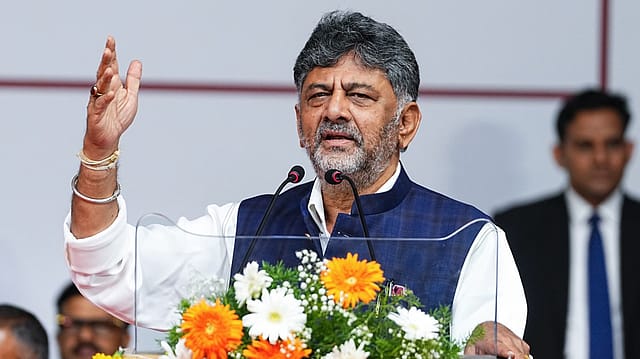
He is leading a Karnataka delegation on a November 23–25 visit covering Nagoya, Osaka and Tokyo. The agenda combines attracting Japanese investment with studying urban planning. Industries and Infrastructure Development Minister MB Patil is accompanying him.
2. Which industries are on the investment agenda?
The outreach targets automotive, pharmaceuticals, chemicals, automation and manufacturing companies. Scheduled engagements included Toyota and Panasonic. Karnataka is seeking business partnerships alongside practical lessons in transport planning and waste management that could inform Bengaluru’s development.
3. Why visit Tokyo Midtown Roppongi?
The development demonstrates how offices, homes, shops, hotels and cultural facilities can share a planned urban district. Completed in 2007, it combines intensive construction with approximately four hectares of public space, including the adjacent Hinokicho Park.

Anatomy Of A Stillborn Revolution
20 Nov 2026 - Vol 01 | Issue 01
Whatever Happened To The Cockroach Janta Party?
4. What did the Karnataka delegation study?
Discussions covered integrated master planning, vertical development, efficient land use, pedestrian access and public transport connectivity. The delegation examined how a former defence land parcel became a mixed-use neighbourhood while retaining substantial open space. Architecture and planning firm Nikken Sekkei facilitated the visit.
5. How could these ideas apply to Bengaluru?
The relevant principle is planning buildings, transport, utilities and public spaces together. For Bengaluru’s redevelopment projects, that could mean placing homes and workplaces closer to transit, improving walking access and preserving usable green areas. Any application would require adaptation to local conditions.
6. Who did Shivakumar meet politically?
He met Japan’s State Minister for Foreign Affairs Yasutaka Nakasone to discuss stronger economic cooperation. Shivakumar also invited a Japanese government delegation to Karnataka’s Global Investors Meet 2027, proposing a dedicated Japan Country Pavilion to deepen business engagement.
7. Has Karnataka committed to a Tokyo-style project?
The reported visit establishes a study exercise and investment outreach. It does not announce a Bengaluru project, budget or construction deadline. Turning the lessons into a workable development would require identifying land, financing infrastructure and coordinating the agencies responsible for transport, planning and public services.
With inputs from ANI.