Pregnancy diet and child brain development: How omega-3 levels may shape attention and memory
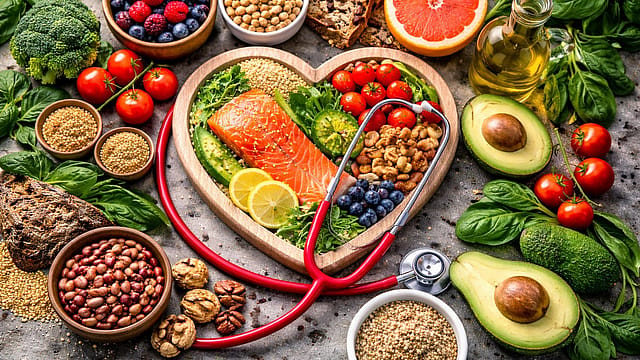
Could a mother's diet during pregnancy be connected to how well her child concentrates, remembers information or solves problems a decade later? A new study published in the European Journal of Epidemiology has brought that question into focus. Researchers tracked cognitive development from childhood to adolescence and found that two omega-3 fatty acids appeared to have different associations with the developing brain. The findings are significant, but they need to be understood carefully: they show associations, not proof of cause and effect.
What did the new omega-3 pregnancy study discover?
The research, published on October 8, 2026, analysed 716 mother-child pairs from Spain's Childhood and Environment (INMA) project. Researchers measured omega-3 fatty acid proportions in umbilical cord blood and assessed children's attention, working memory and fluid intelligence at different stages between approximately five and 15 years of age.

The Wealth Issue 2026
06 Nov 2026 - Vol 05 | Issue 45
Portraits of Dreamers and Doers under 35
The study examined three fatty acids: alpha-linolenic acid (ALA), docosahexaenoic acid (DHA) and eicosapentaenoic acid (EPA). Its central finding was that higher prenatal ALA and DHA levels were associated with lower overall inattentiveness, while higher DHA was also linked to better overall working memory.
Why are ALA and DHA important for a child's developing brain?
Omega-3s are essential fats involved in several bodily functions, including brain development. But they are not all interchangeable. ALA is a plant-based omega-3 found in foods such as walnuts, flaxseeds and chia seeds. DHA is a long-chain omega-3 found mainly in fatty fish and seafood and is an important structural component of the brain. EPA is another long-chain omega-3 found in marine foods.
The US National Institutes of Health (NIH) notes that the body cannot produce ALA and must obtain it through food. It can convert some ALA into DHA and EPA, but only in limited amounts.
How did prenatal omega-3 levels affect attention and intelligence?
The researchers found that higher ALA levels were associated with better attention and fluid intelligence in early childhood, particularly around ages five and seven. However, these advantages weakened over time and some associations reversed by adolescence.
DHA showed a different pattern. Higher levels were associated with better working memory, particularly in younger children, while favourable associations with attention and fluid intelligence became more apparent as children approached adolescence.
EPA, meanwhile, showed no significant association with the cognitive outcomes examined. Principal investigator Jordi Julvez said the findings underline why individual omega-3 fatty acids should be studied separately rather than treated as one nutritional group.
Does eating walnuts during pregnancy make children smarter?
Not necessarily. Walnuts are a source of ALA, but the study did not test whether eating walnuts during pregnancy directly improves a child's intelligence. It measured fatty acid proportions in umbilical cord plasma, which reflect prenatal exposure rather than a controlled dietary intervention.
The research also received funding support from the California Walnut Commission, an industry body representing walnut growers and handlers. The study was published in a peer-reviewed journal, but its funding source is relevant context when interpreting a press release that prominently promotes walnuts.
What should pregnant women eat to support brain development?
The NIH and the American College of Obstetricians and Gynecologists recommend a varied diet that includes omega-3 sources. Walnuts, flaxseeds and chia seeds provide plant-based ALA, while lower-mercury fish and seafood provide DHA and EPA. ACOG advises pregnant women to consume two to three servings of fish or shellfish a week, choosing varieties lower in mercury.
The researchers also caution that prenatal nutrition is only one part of a child's development. Genetics, upbringing, education, postnatal diet and the wider environment matter too. Their findings offer a useful new perspective on the long-term associations of maternal nutrition, not a shortcut to raising a smarter child.
(With inputs from ANI)