Guru Nanak Jayanti 2026: The story, teachings and significance of Gurpurab
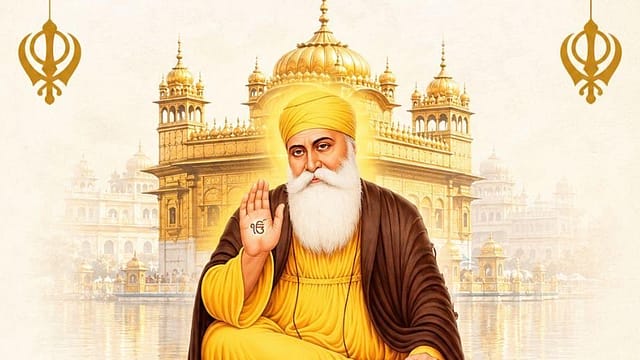
A procession moves through the streets, devotional hymns fill the air and volunteers prepare meals for anyone who walks through the doors of a Gurdwara. For millions of Sikhs, these are familiar sights of Gurpurab, a day that celebrates the birth and teachings of the founder of Sikhism, Guru Nanak Dev Ji.
In 2026, Guru Nanak Gurpurab falls on Tuesday, November 24, coinciding with Kartik Purnima. It marks the 557th birth anniversary of Guru Nanak Dev Ji, who was born in 1469 at Rai Bhoi di Talwandi, now known as Nankana Sahib in present-day Pakistan.
What is Gurpurab and why is Guru Nanak Dev Ji's birth anniversary celebrated?
The word Gurpurab refers to an important anniversary associated with a Sikh Guru. These observances include birth anniversaries and, in some cases, anniversaries commemorating the Gurus' martyrdom. Guru Nanak Gurpurab, also called Prakash Purab or Prakash Utsav, marks the birth of the first Sikh Guru.

The Wealth Issue 2026
06 Nov 2026 - Vol 05 | Issue 45
Portraits of Dreamers and Doers under 35
For Sikhs, the occasion is more than a celebration of a historical figure. It is an opportunity to revisit the spiritual and social ideas that shaped the Sikh faith. Guru Nanak Dev Ji spoke of one universal God, rejected discrimination based on caste and social standing, and challenged practices that divided people.
His message was rooted in devotion, equality, honest work and concern for others. These ideas remain central to the observance of Gurpurab.
What are the three teachings of Guru Nanak Dev Ji?
Three principles are commonly used to explain Guru Nanak Dev Ji's teachings: Naam Japna, Kirat Karni and Vand Chakna.
Naam Japna means remembering and meditating on God's name. Kirat Karni encourages earning an honest living through sincere effort. Vand Chakna means sharing one's earnings and resources with others, particularly those in need.
Together, these principles connect spiritual belief with everyday conduct. They encourage people not only to pray, but also to work honestly, share what they have and treat others with dignity.
How is Gurpurab celebrated at Gurdwaras?
Preparations often begin days before the festival with an Akhand Path, the continuous recitation of the Guru Granth Sahib, Sikhism's sacred scripture. On Gurpurab, devotees visit Gurdwaras for prayers, Gurbani recitation and Shabad Kirtan, the singing of devotional hymns.
Many communities organise Prabhat Pheris, early-morning devotional processions, in the days leading up to the occasion. On the main day, Nagar Kirtans bring congregations onto the streets, with the Guru Granth Sahib carried in a decorated procession. The Panj Pyare, or Five Beloved Ones, often lead these processions.
Why Langar and Seva are central to Gurpurab
One of the most visible expressions of Guru Nanak Dev Ji's message is Langar, the community kitchen where meals are served free of charge to everyone, irrespective of religion, caste, gender or economic background. Volunteers prepare, serve and clean up after the meal as an act of Seva, or selfless service. People sit together and eat as equals, reflecting the principle that no one is superior to another.
The Government of India's official account of the 2026 Parkash Purab celebrations also highlighted the importance of Sarbat Da Bhala, the welfare of all, describing it as a universal message of peace, dignity and compassion.
Why Guru Nanak's message remains relevant today
At a time when societies continue to grapple with discrimination, conflict and inequality, Gurpurab offers an occasion to reflect on a message that reaches beyond religious boundaries. Its significance lies not simply in remembering Guru Nanak Dev Ji's birth, but in asking how his teachings can be practised in daily life.
The hymns, processions and shared meals are expressions of that remembrance. At their heart is a simple idea: devotion should lead to compassion, and faith should be reflected in how we treat one another.