‘When he was here…’: One Year After Pahalgam Terror Attack, Families Struggle With Grief
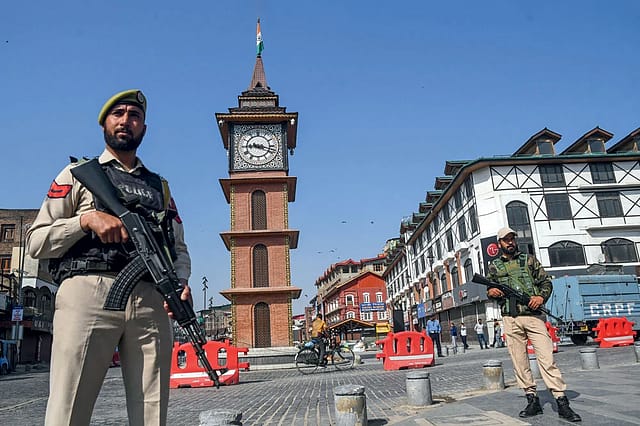
A year after the Pahalgam terror attack shook the nation, grief remains raw and unresolved for the families left behind. Their memories are not fading—they are deepening, shaped by loss, unanswered promises, and a fragile sense of moving forward.
“Nothing is achieved by killing ordinary people”
For Sangeeta Ganbote, the passage of time has done little to ease the pain. On the eve of the first anniversary of the attack that claimed 26 lives, she speaks with a quiet intensity that reflects both sorrow and conviction.
“The attack in Pahalgam was very dangerous. I will not be able to forget it till my last breath. I am always in grief after my husband's death. I say that they (the attackers) should be given the message that if your fight is with the government, then you should talk to them. Nothing will be achieved by killing ordinary people. Apart from education, schools should also teach how to behave in the event of such an attack,” Sangeeta Ganbote told ANI.

Zeroing In on ECI
09 Oct 2026 - Vol 05 | Issue 41
Constitutional legitimacy versus political opportunism
Her words capture a truth shared by many families—grief is not an event but a constant presence.
‘When he was here, life was different’
For Priyadarshini Acharya, the attack didn’t just take away a loved one—it dismantled the foundation of her everyday life.
“My husband's name was late Prasanta Kumar Satapathy. He passed away in the Pahalgam attack on April 22, 2025, because of the terrorists. It's been almost a year. As they say, life goes on. But, not a single day has passed that I haven't remembered him. When he was here, life was different. The temporary job I had then, now it's become a necessity for me to survive and manage the household,” Acharya was quoted as saying by ANI.
Her words reflect the quiet, ongoing struggle of rebuilding life after sudden loss, where survival replaces stability.
Have the government’s promises been fulfilled?
Amid grief, there is also a sense of waiting, of promises yet to be realised.
“With the temporary job I have, it's managing. Because at that time, the government said they would give me a government job, they would bear the expenses of my child's education, and they would provide financial assistance. We received the financial assistance, but the government job they promised hasn't been provided yet. In other states, they have provided jobs based on qualifications. I just want the government to fulfil the promises they made as soon as possible,” she Acharya added.
While some relief has reached the victims’ families, gaps remain—particularly in long-term rehabilitation.
What happened on April 22?
The attack unfolded in Pahalgam, a region known for its scenic beauty and tourism appeal. On that day, Pakistan-backed terrorists entered a village and killed 26 people in a chilling act of violence.
In a particularly brutal dimension of the attack, victims were reportedly questioned about their religion before being killed, turning the assault into a targeted communal act that shocked the country.
How did India respond to the attack?
The aftermath saw a swift and forceful response from India through Operation Sindoor.
Launched on May 7, 2025, the operation targeted terror infrastructure across Pakistan and Pakistan-occupied Jammu and Kashmir. Nine major terror launchpads linked to Lashkar-e-Taiba, Jaish-e-Mohammed, and Hizbul Mujahideen were destroyed, with over 100 terrorists reportedly killed.
Pakistan responded with drone attacks and shelling, escalating tensions briefly before a ceasefire agreement was reached on May 10 following communication between the Directors General of Military Operations (DGMO) of both nations.
Has tourism in Kashmir recovered since the attack?
Despite the trauma of the attack, Kashmir is witnessing a resurgence in tourism, a sign of resilience and renewed confidence.
“My father used to live here earlier, and he only suggested that we visit Srinagar... This place is really safe; earlier, there was an unfortunate incident, but we cannot judge a location from that. I felt very safe, and people are also nice,” said Vishal, a tourist.
The return of visitors suggests that while scars remain, the region is slowly reclaiming its identity as a safe and welcoming destination.
(With inputs from ANI)