What Topping JEE Really Says About Success
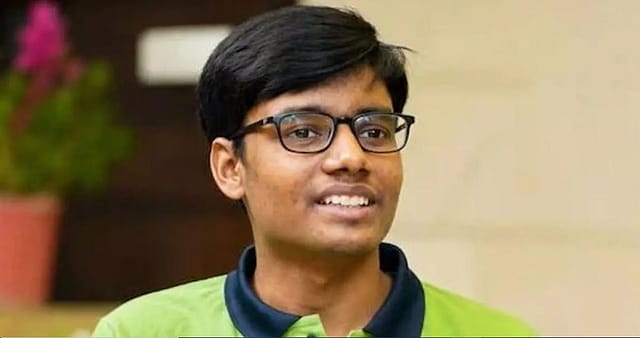
The results of the Joint Entrance Exams for the Indian Institutes of Technology have been announced, and the topper is Shubham Kumar. He is from Bihar, but if you want to be detail-oriented, then Kota would be a better address. Like lakhs of students, he went to the coaching class town in Rajasthan, stayed there for two years, studying up to 10 hours a day. The rank is well deserved because it has come from effort.
In media interviews, he attributed the ecosystem of Kota, the competition, and the resources available for his feat. And there was also an additional factor: he stayed off social media and even the mobile phone, except to use it as a phone, to speak to his parents. All of which goes on to tell you that great rewards demand sacrifices.
What Kumar went through wasn't an exception to the rule in Kota. There would be a large percentage of students there without his one-pointedness but a substantial number would be doing exactly as he did. This is because of the nature of the Indian education system, where futures--if one is going to end up a venture capitalist in San Francisco or a mid-level banker in Mumbai--are decided by that one day of that one exam. And the entirety of the preparation is to not let chance or temperament get in the way in the examination hours. It is essentially a game of increasing probability as much as possible for exam day.

Open Minds 2026
26 Jun 2026 - Vol 05 | Issue 26
The power of ideas and arguments in 50 portraits
That creates a long list of those who manage to get through. But the short list, that elite group who will be in contention for the top rank, will also be a sizeable one given the numbers attempting. What brings them to the shortlist is mainly genes, not just because of the intelligence they were born with but also the discipline or attentive power that came hardwired along with it. What brings someone to the very top from that pool has to be chance because there would be very little difference between the first ranker and the tenth ranker. You don’t hear of super successful IITians, say Google CEO Sundar Pichai or IBM CEO Arvind Krishna, necessarily being first rankers. The toppers will still have great futures but the ones who move the big needle can be anyone from the shortlist.