The Supplementary Question
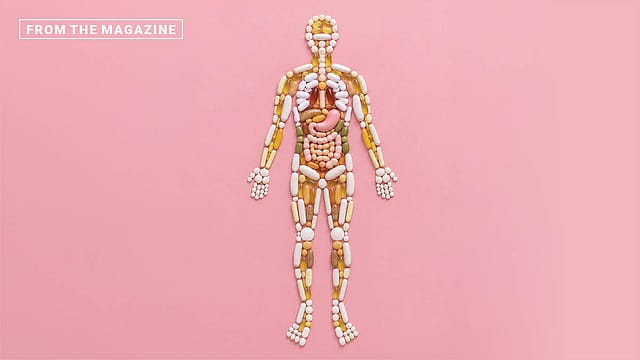
Australian-American lifestyle guru David Sinclair is one of the most influential figures in the field of dietary supplements, an industrial segment growing globally at a compound annual rate of 9.5 per cent and is valued at $230 billion. A highly televised and photographed biologist known for work in longevity, he is famous for prescribing berberine for a long and healthy life as an alternative to metformin, a diabetes medicine. If you cannot get yourself to consume metformin as a preventive drug, take berberine—that is what he says.
Certain studies have confirmed the efficacy of berberine in lowering triglycerides and total cholesterol, raising HDL, and in reducing blood sugar levels. However, a section of doctors contend that all over-the-counter products cannot be fully trusted because absorption levels vary. What adds to the chaos is the fact that these products, broadly called dietary supplements and nutraceuticals, are not tested before they are sold in the market: neither in the US nor in India, where the segment is estimated to be valued at $6 billion, growing at a compound annual rate of 10 to 13 per cent by various surveys. Doctors state that if the absorption levels of these supplements are very low, there is no impact besides causing additional burden to the body’s excretory system.

Zeroing In on ECI
09 Oct 2026 - Vol 05 | Issue 41
Constitutional legitimacy versus political opportunism
Like berberine, the other supplements being touted by influencers and longevity experts, from both organised entities and mom-and-pop stores, include Resveratrol, which is said to support heart health and fight inflammation; alpha lipoic acid, which reportedly lowers blood sugar levels and promotes skin health and reduces nerve damage; and magnesium glycinate, which helps with sleep disorder and muscle pain besides mood swings. Other recommendations from the industry include zinc, chromium, various vitamins, including D, B12, Omega-3 and Omega-6 fats and others. Vitamin C has often enjoyed a special place since the 1970s when Nobel laureate Linus Pauling recommended huge daily doses of it not only to fight the common cold but also cancer. Which means if one thought the trend of “wellness influencers” is a new one, think again. Incidentally, vitamin C must have worked for Pauling, who went on to live long, dying at 93 in 1994 after winning two Nobel prizes.
In recent decades, the dietary supplement industry has been expanding quickly, thanks to a raft of reasons, including increasing health awareness, preventive healthcare and online commerce, among others. Certain nutrients do have a legitimate role in promoting health. Vitamins, minerals, fatty acids, amino acids, and other nutrients are essential for normal human health and physiological functions when taken in prescribed doses. If a person suffers from any deficiency in any of these nutrients, they need to consume supplements or medicines in order to stay healthy. For example, if you suffer from a deficiency of iron or B12, doctors prescribe tablets, and in extreme cases, injections as well.
Nutritional deficiencies are to be blamed for many health issues—from everyday fatigue to long-term disorders—and to a large extent this affects your longevity and wellness. But then these supplements flying off the shelves as people chase greater energy, better sleep and a long and healthy life are not automatically beneficial for public health. The fact that a nutrient is essential does not mean taking more of it provides additional health benefits.
Due to the easy and mass reach of social media, people are more exposed today to endless ads and often unverified content about various new kinds of antioxidants and instant cures for all kinds of medical issues, each one promising more absorption of the nutrient than the others. Influencers and wellness entrepreneurs—and not doctors—now prescribe magic potions, boosters and aids to solve all your health concerns. Thanks to data theft and social media algorithms and surveillance by tech giants, the moment one searches or discusses insulin resistance or muscle growth, one’s feed is flooded with supplements zealously pitched as an antidote to any of our health problems and future conditions.
But studies of supplements from within India as well as from around the world confirm our worst fears even as the industry is growing at a fast clip. Injudicious and unregulated use of ingredients poses health hazards among those who seek easy health benefits. Early this year, the Food Safety and Standards Authority of India (FSSAI) banned the use of ashwagandha leaves and their extracts in supplements thanks to toxicity concerns. FSSAI and the Ministry of Ayush now permit only ashwagandha roots and root extracts in food products and health supplements because the leaves contain certain toxic compounds.
Several multivitamins from certain brands have been restricted—and yet the problem that India faces is poor quality control of its supplements. Clearly, stronger oversight alone can help ensure product quality, proper labelling and truthful health claims. In many cases, people end up consuming products with inferior or zero potency, some of which may be contaminated. Another issue that doctors hasten to flag is marketing claims that have no correlation whatsoever with scientifically established benefits.
The US, too, has a long history of bans on supplements. Ephedra dietary supplements, meant primarily for weight loss, are banned because they seem to cause health risks such as heart attack, stroke and even death. Similar is the case of DMAA (dimethylamylamine) which was used in workout supplements to enhance energy but was later found to cause heart problems and strokes. The FDA banned it in 2013, but since the results were immediate, banned drugs continue to find their way into gyms in the US. The FDA also had to ban supplements maker Purity First’s products in 2013 after tests found they contained undeclared anabolic steroids, especially in the company’s B-50 capsules, after complaints from users of health complications. According to US government reports, tests showed the vitamin and mineral pills contained anabolic steroids like methasterone, dimethazine, and dimethyltestosterone, which were not documented.
The Indian supplements market is far less monitored and claims of products in various forms, tablets, capsules, tonic, juice, powder offering phenomenal benefits are rampant on social media and online selling platforms. Worse, these promotions portray supplements as replacements for a balanced diet, sleep, exercise and appropriate medical care although the fine print says it all: “not for medical use”. What is often ignored is that personalised advice matters from experts. After all, nutritional requirements vary according to age, gender, medical conditions, medications being used, and so on. Most importantly, manufacturers and marketers should prioritise transparency, rigorous testing and evidence-based communication rather than exaggerated promises as is the wont lately.
A US-based study published in the National Library of Medicine in 2021 titled ‘Dietary Supplements—For Whom? The Current State of Knowledge about the Health Effects of Selected Supplement Use’ by Regina Ewa Wierzejska makes a crucial conclusion. It should be stated that dietary supplements are not recommended for everyone to be used to generally support health and reduce the risk of diseases, but rather to be used by those people with a prolonged nutrient deficiency in their diet or a previously diagnosed deficiency in the body, the study says. “Therefore, more emphasis should be given to dietary changes, including the benefits of eating more fruits and vegetables, where vitamins and minerals occur naturally in combination with other nutrients that cannot be replicated in food supplements. People who intend to take supplements on their own accord should not choose preparations with the highest nutrient content because, unlike ordinary foods, excessive intake may have serious health consequences,” the report explains. Supplements are good, including proteins, for those who need to supplement their dietary intake and stay healthy. But, as the research says, one must take them only after medical consultation.
Notwithstanding insufficient evidence of the benefits of supplements, there is no dearth of people consuming them, and in the process contributing hugely to the growth of an industry that is tapping into all kinds of places, including forests and literature, about traditional medicines all the way from China to India and Guatemala, a hub of ancient Mayan medicine, and to Brazil. Open had reported earlier about billionaire Bryan Johnson, the subject of the 2025 Netflix documentary Don’t Die: The Man Who Wants to Live Forever, who developed a health protocol involving a strict diet, exercises and therapies with the help of doctors and scientists. He consumes close to 100 supplements or medicines a day. That protocol, named Blueprint, is now a company that sells supplements and food.
Indians too are looking towards options to stay healthy and live longer and are ready to spend on supplements and other drugs and therapies due to a rise in disposable incomes over the past few decades. The rise in demand for dietary supplements is expected to boost wellness at a time when the country is grappling with lifestyle diseases and the scourge of obesity thanks to rising urbanisation, sedentary lifestyles and the simultaneous growth in packaged foods and food delivery services. While Indians are living longer than earlier, they are not necessarily living healthier, and thus the tendency to fall back on dietary supplements.
But then, consumer confidence and satisfaction in linking the consumption of such products with better health are a catalyst for the growth of the segment amidst innovation and technological advancements across sectors.