The Silent Epidemic: Student suicides show mental health is a shared responsibility
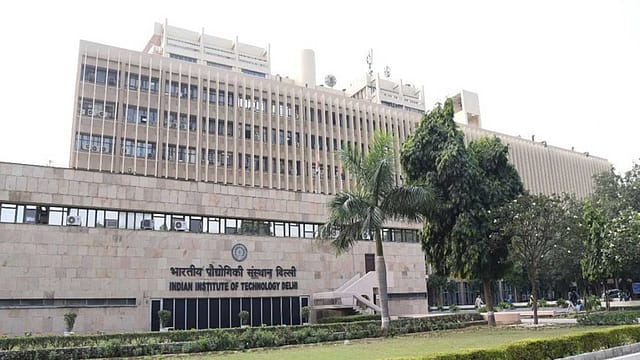
The recent suicide of a doctoral student at IIT Delhi has reignited protests on campus, with students demanding accountability from wardens, deans and officials, and calling for systemic reform. This is not an isolated tragedy.
IITs, IIMs, medical colleges and coaching institutes across India report similar patterns, and suicide has become a leading cause of death among young people worldwide. The stakes are particularly high in India, home to 17 per cent of the world’s population, 30 per cent of whom are aged between 15 and 29.
Public discourse on student suicide tends to frame it as a matter of individual mental health. Institutions require medical certificates at admission, appoint counsellors, and offer yoga and meditation classes. Yet conditions like depression often go undetected, precisely because they are invisible. More importantly, this framing misses the point. Students arrive at university carrying socio-economic and cultural baggage, and aspirations shaped by parents, communities and peers long before they set foot on campus. Scholars at the Tata Institute of Social Sciences argue persuasively that mental health should be treated as a public health issue, one demanding attention to the structural and social conditions that produce suicide risk, not merely to the individual psyche.

Losing Memory
16 Oct 2026 - Vol 05 | Issue 42
The making of a medical and social emergency
Competitive pressure is one such condition. It fosters a depressive undercurrent that is difficult to detect and harder still to treat, precisely because it operates silently. Early warning signs are more likely to surface through those closest to the student. Roommates and friends can flag changes in behaviour to administrators. Teachers, through everyday interaction, may notice signs of distress and act before a crisis develops, acting as much as confidants as instructors. Hostel wardens and staff, given their proximity to student life, are equally well placed to intervene.
Many institutions have introduced wellness volunteers to watch for at-risk students. Ultimately, however, responsibility is shared: administrators, teachers, friends and families must work together to spot warning signs and address them. This requires a culture of open conversation on campus, one that is steadily eroding as digital interaction displaces face-to-face contact. Parents, too, often fail to notice or acknowledge signs of distress in their children, and rarely communicate with teachers about their child’s wellbeing. Better dialogue between families and institutions could go some way towards preventing such tragedies.
What India’s campuses need is a culture of compassion, transparency and empathy, one that draws on indigenous educational traditions with strong track records in this respect. The pedagogical experiments of J Krishnamurti’s schools, the Sri Aurobindo Society, Sathya Sai Baba affiliated institutions, and Vidya Bharati have each, in their own way, sought to fold emotional and ethical development into the fabric of learning rather than treating it as an adjunct to academic instruction. Suicides of the kind now roiling IIT Delhi are strikingly rare within these ecosystems, a fact worth interrogating rather than dismissing.
Mainstream institutions need not replicate these models wholesale, but they would do well to absorb their underlying philosophy: that vigilance against self-harm must be paired with the cultivation of human values, not confined to counselling cells but woven into classrooms, hostels and homes alike. A university is not a walled campus but a node in a wider social fabric. Its faculty must be as fluent in social and emotional intelligence as they are in their own disciplines. Until that shift occurs, campuses will keep producing wellness policies that treat symptoms while leaving the underlying causes of despair untouched.