SC Quashes NSA Detention in Sambhal Case, Imposes ₹10 Lakh Costs on UP
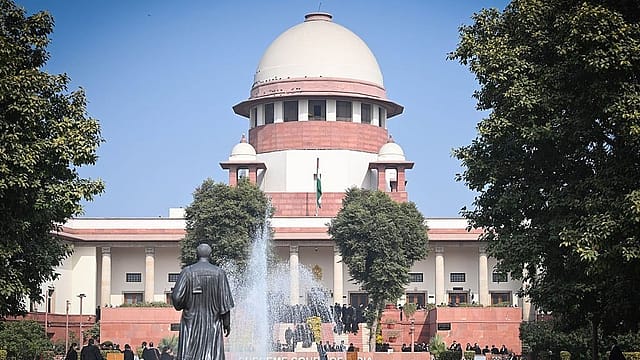
The Supreme Court on Tuesday quashed Mulla Afroz’s preventive detention under the National Security Act (NSA) in connection with the Sambhal violence and imposed costs of ₹10 lakh on the Uttar Pradesh government.
A bench of Justices Dipankar Datta and Sheel Nagu held that an extra-judicial confession cannot be the sole basis for ordering preventive detention. While such a confession may constitute relevant material, the detaining authority must also consider other relevant circumstances before exercising its powers.
Allowing Afroz’s appeal against an Allahabad High Court ruling, the bench found that the authority had failed to consider those factors and had wrongly exercised the power of preventive detention.
What Led to the Detention?
The case arose from violence in Sambhal in November 2024 during a court-ordered survey of the Shahi Jama Masjid.

Zeroing In on ECI
09 Oct 2026 - Vol 05 | Issue 41
Constitutional legitimacy versus political opportunism
Sambhal police arrested Afroz on January 17, 2025, in connection with cases arising from the violence. The District Magistrate subsequently ordered his detention under Section 3(2) of the NSA on October 13, 2025. The state government later confirmed the detention.
Afroz challenged the order before the Allahabad High Court, arguing that the material relied upon was insufficient and that the case against him substantially rested on an alleged extra-judicial confession.
The state opposed his plea, citing material collected during the investigation. It alleged that Afroz had instigated the crowd during the violence and that his activities had the potential to disturb public order.
Why Had the High Court Upheld It?
The Allahabad High Court upheld the detention after recording that the detaining authority had considered the material placed before it. It also noted that the documents relied upon to support the detention had been supplied to Afroz.
The High Court held that judicial review of a preventive detention order required examining whether the authority had applied its mind to relevant material. The reviewing court, it said, could not sit in appeal over the sufficiency of that material.
Afroz then approached the Supreme Court, which examined whether the alleged confession could support the detention and whether the material considered by the authority was legally sufficient.
What Did the Supreme Court Find?
The Supreme Court held that an extra-judicial confession, by itself, could not justify preventive detention. The authority was required to consider other relevant and substantive circumstances before reaching the satisfaction necessary to order detention.
In Afroz’s case, the bench found that this requirement had not been met. It concluded that the detention could not be sustained on the material considered by the authority.
The court consequently allowed his appeal, quashed the NSA detention order and imposed ₹10 lakh in costs on the Uttar Pradesh government.
With inputs from ANI