Rajya Sabha Polls 2026 Explained: Who Votes, How Winners Are Decided
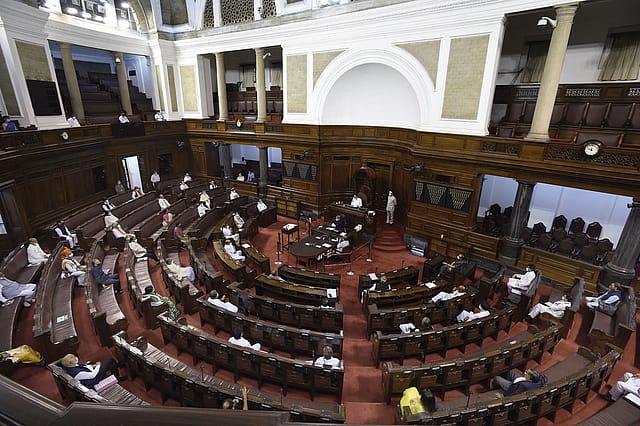
The Rajya Sabha election process works nothing like how India picks its Lok Sabha members.
Elected MLAs cast ballots on behalf of their states, a process conducted entirely within legislative chambers. On March 16, 2026, this unfolded across 10 states for 37 seats, reshuffling Parliament's balance of power.
Who Actually Votes in a Rajya Sabha Election?
Only elected MLAs vote, nominated members are excluded. Each state's seats are proportional to its population, which is why Maharashtra had seven seats in 2026 while Himachal Pradesh had just one.
What Is the Single Transferable Vote System?
In this system, MLAs rank candidates by preference under an open ballot. Each marked ballot must be shown to the party’s authorised agent before deposit, making cross-voting nearly impossible to deny.
How Is the Winning Quota Calculated?
A candidate must cross a set threshold to win. The formula divides total valid votes by vacancies plus one, then adds one. In Bihar, each candidate required about 41 votes based on the quota formula. All five NDA candidates crossed that mark, with the fifth seat decided on second-preference votes.
How Often Are These Elections Held?
The Rajya Sabha never dissolves in full. One-third of its 245 members retire every two years after six-year terms. Of the 37 seats contested on March 16, a significant number of seats were decided unopposed, with reports indicating over two-thirds saw no contest.

Global By Design
29 May 2026 - Vol 04 | Issue 73
Is the future of fashion Indian?
What Happens When MLAs Defy the Party Whip?
Defying party directions can invite disqualification proceedings, though enforcement in Rajya Sabha elections has been legally contested. In Odisha, three Congress MLAs reportedly voted for a BJP-backed candidate, directly costing the joint opposition candidate his seat.
Are Some Members Nominated, Not Elected?
Yes. The President nominates 12 members under Article 80(3), selecting individuals distinguished in literature, science, art, or social service. They bypass the Rajya Sabha voting procedure entirely and are appointed at the executive's discretion.
What Do the 2026 Results Mean for The Parliament's Balance of Power?
The NDA swept all five Bihar seats and secured eight of 11 contested seats overall. With the upper house moving closer to a working majority, potentially reducing reliance on regional allies for some legislation.
(With inputs from yMedia)