47 Degrees by Breakfast: What Life Actually Looks Like in India's Most Extreme Heat Hotspot
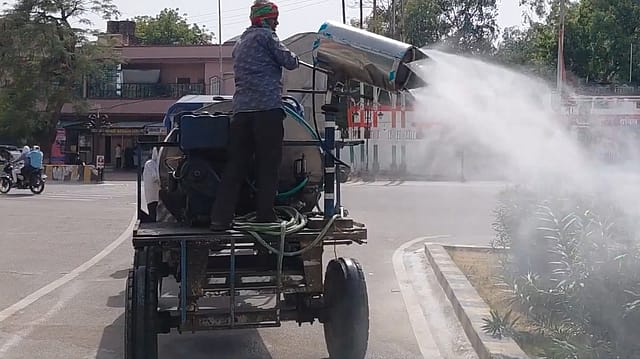
In May, a dusty district in southern Uttar Pradesh earned a record no one wanted.
Banda registered temperatures of 47 to 48 degrees Celsius for over eight consecutive days, making it the hottest place in India.
For its two million residents, many dependent on farming, construction, and outdoor labour, this was not a weather event. It was a way of life.
Where Is Banda and Why Is It So Hot?
Banda sits near the Tropic of Cancer, one of the world's most heat-intense latitudes. Sand mining and groundwater depletion have weakened the Ken River's ability to cool the surrounding landscape.
Research by Banda University of Agriculture and Technology found that nearly one-sixth of the district's forest cover disappeared between 1991 and 2022, largely due to mining and agricultural expansion.
What Does a Typical Day Look Like at 47 Degrees?
By 6 am, the sun carries the intensity of a mid-afternoon.
Vegetable markets wind down before most cities wake up. Masons split shifts across early morning and late afternoon, stretching a standard workday to 12 or 13 hours simply to avoid peak heat.

Open Minds 2026
26 Jun 2026 - Vol 05 | Issue 26
The power of ideas and arguments in 50 portraits
Who Is Bearing the Worst of This Heatwave?
Road workers eat lunch in slivers of shade beneath parked tankers. Women in villages spend hours fetching water under open skies.
Banda's district hospitals are reportedly receiving 15 to 20 heatwave cases daily, mostly children and the elderly.
Is the Heat in UP's Banda Getting Worse?
According to meteorologist Dinesh Sah of Banda University, eight or nine consecutive days at 47 to 48 degrees was unprecedented in recent memory, as per the BBC.
Think-tank Climate Trends identifies Uttar Pradesh as especially vulnerable given its vast outdoor workforce and limited household access to cooling.
What Is the Economic Cost of India's Hottest Place?
The heatwave has compressed the entire economic day.
E-rickshaw drivers find afternoons empty of passengers. Shopkeepers shut through peak hours. Produce spoils within a day, squeezing margins for farmers and traders who can least afford it.
How Are Residents Coping?
Residents wrap shawls around their heads to slow heat absorption.
Neem trees serve as air conditioners for households that own none. Research by the University of California, Berkeley, reportedly estimates Uttar Pradesh could account for more than 8,000 excess deaths during a severe five-day heatwave.
Banda is not new to heat. What’s new is how much longer it now lasts.
(With inputs from yMedia)