QUICK TAKE | Why Did Uttar Pradesh Practise a Blackout? Seven Things to Know About the Air-Raid Drills
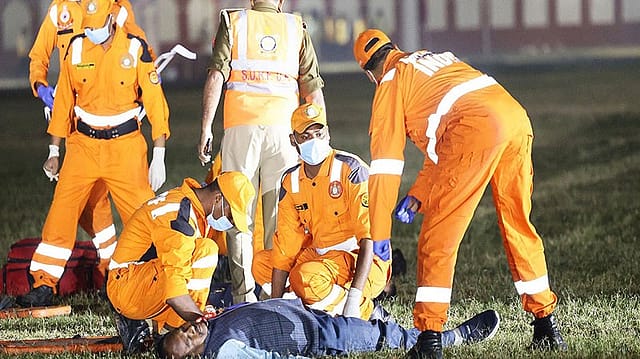
1. What is an air-raid and blackout mock drill?
It is a rehearsal of emergency procedures, including responding to warnings, switching off lights and coordinating rescue and relief. Sunday’s exercise tested readiness for blackout conditions associated with an air raid. Officials described it as a preparedness exercise; the announcement did not report an actual attack.
2. Where and when were the drills organised?
The exercise was announced across all 75 districts of Uttar Pradesh at 6 pm, according to Moradabad Civil Defence Deputy Controller Neeraj Chakra. He said it followed directives from the Central and state governments. Officials in Moradabad and Gorakhpur described their districts’ participation.
3. Why practise switching off lights?
The stated objective was to prepare for a complete blackout during an air raid or warning. Residents were asked to recognise the siren and cooperate with instructions to switch off lights. Practising the procedure helps authorities assess whether warnings are understood and acted upon promptly.
4. Which emergency services participated?
Civil Defence, police, Fire and Emergency Services, district administrations and hospitals took part. Their involvement brought warning systems, public safety, rescue, relief and medical response into one exercise. Gorakhpur District Magistrate Deepak Meena said the drill assessed how these departments worked together.

The Wealth Issue 2026
06 Nov 2026 - Vol 05 | Issue 45
Portraits of Dreamers and Doers under 35
5. What were officials trying to measure?
Coordination and response times were central concerns. An emergency can require several agencies to act simultaneously, making clear communication and division of responsibilities essential. Gorakhpur SSP Dr Kaustubh said such exercises help departments coordinate and reduce the time taken to respond.
6. What role did residents play?
Gorakhpur authorities said residents were informed beforehand and cooperated during the blackout rehearsal. Meena emphasised understanding the siren and keeping lights off when instructed. Public participation allowed officials to test communication beyond government departments and assess whether instructions reached the people expected to follow them.
7. What follows the exercise?
District authorities will review shortcomings and identify improvements, Meena said. Departments requiring corrective work will be informed. The purpose extends beyond completing a rehearsal: officials must use what they observed to improve coordination, address gaps and strengthen preparations before a real emergency requires the same services to act.