QUICK TAKE | Seven Things to Know About GRAP Stage-II in Delhi-NCR
1. What has changed?
The Commission for Air Quality Management has invoked Stage-II of the Graded Response Action Plan across the entire NCR with immediate effect. Stage-I measures continue alongside it. Implementation falls to the relevant authorities in Delhi and the NCR areas of Haryana, Uttar Pradesh and Rajasthan.
2. Why was Stage-II activated?
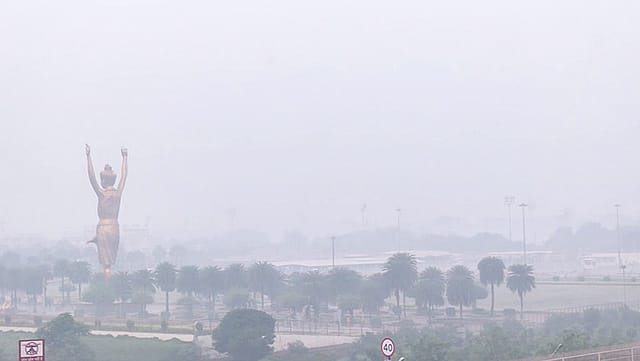
Delhi’s AQI rose from 117 on October 31 to 261 on November 1 and 324 on November 2. That moved it from ‘moderate’ through ‘poor’ to ‘very poor’. CAQM reviewed weather forecasts and attributed the deterioration to unfavourable meteorological conditions that could keep pollution elevated.
3. What changes for commuters?
Local bodies have been directed to increase parking fees to discourage private-vehicle use. Residents are urged to use public transport or carpool. Staggered working hours for public offices and municipal bodies in Delhi, Gurugram, Faridabad, Ghaziabad and Gautam Buddha Nagar are intended to spread traffic across the day.
4. What must authorities do about dust?
Daily mechanical or vacuum sweeping and water sprinkling with dust suppressants will target busy roads and congestion points, particularly before peak traffic. Inspections at construction and demolition sites will intensify, alongside action at pollution hotspots. These measures focus on reducing dust released back into the air.

The Era of Forever Wars
30 Oct 2026 - Vol 05 | Issue 44
Coping with an explosive Middle East
5. Does this mean schools close and everyone works from home?
Stage-II does not itself announce a blanket school closure or mandatory work-from-home arrangement for all offices. The citizen advice encourages working from home where possible. Separate seasonal orders can impose additional requirements. School-related hybrid arrangements appear under higher GRAP stages and require the applicable directions.
6. What must housing societies do?
Resident Welfare Associations must provide electric heaters to security guards, sanitation workers and horticulture staff. The aim is to prevent workers from burning wood, biomass or municipal waste for warmth. Residents should also avoid waste burning and dust-generating activities and cooperate with local enforcement teams.
7. Does Stage-II bring a new blanket vehicle ban?
Different vehicle restrictions come from different orders. September’s GRAP revision moved diesel-generator and older interstate-bus measures to Stage-I. BS-III petrol and BS-IV diesel car restrictions sit under Stage-III. Delhi’s separate seasonal restriction on outstation vehicles below BS-VI also remains relevant; Stage-II should not be read in isolation.