QUICK TAKE | India Bans Battery ‘Black Mass’ Exports. What’s Valuable in the Scrap? Seven Things to Know
1. What exactly has India banned?
The Directorate General of Foreign Trade has prohibited exports of a specified category of battery waste and scrap, including lithium-ion battery black mass, with immediate effect. The export classification has changed from Free to Prohibited and will stay that way until further orders.
2. Which shipments does the order cover?
The order applies to goods under trade code 85491400. It covers unsorted waste and scrap from cells, batteries and electric accumulators, including spent units, that contain no lead, cadmium or mercury. The trade code and the material description together define the scope.
3. What is black mass?
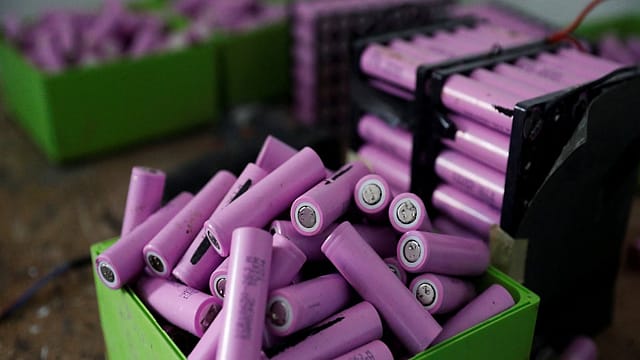
It is the dark powder left after recyclers crush lithium-ion cells and separate out materials such as casings and metal foils. Depending on the battery chemistry, the powder can contain lithium, nickel, cobalt, manganese and graphite.
4. How does that powder become useful again?
Black mass is an intermediate product. Recyclers can use chemical processing to separate the minerals and refine them into compounds that can go back into battery manufacturing. The purity and recovery rate determine how much usable material a plant gets from a batch.

The Wealth Issue 2026
06 Nov 2026 - Vol 05 | Issue 45
Portraits of Dreamers and Doers under 35
5. Why keep the scrap in India?
Keeping black mass at home could give Indian refiners more material to work with. If they can recover minerals at the quality battery makers require, discarded batteries could supply some of the inputs India would otherwise have to import.
6. Is India already funding that kind of recycling?
Yes. The government approved a ₹1,500 crore scheme under the National Critical Mineral Mission to build recycling capacity. It rewards plants that actually extract critical minerals from sources such as spent batteries and electronic waste. Shredding batteries into black mass alone does not qualify.
7. What does the ban mean for recyclers?
Companies that made black mass for overseas buyers lose an export route for material covered by the order. Domestic refiners could gain access to more scrap. How much of it ends up in new batteries depends on how much local plants can process and refine to the required standard.