No Phones, No Selfies, No Night Safaris: India Just Rewrote the Rules for Tiger Reserve Tourism
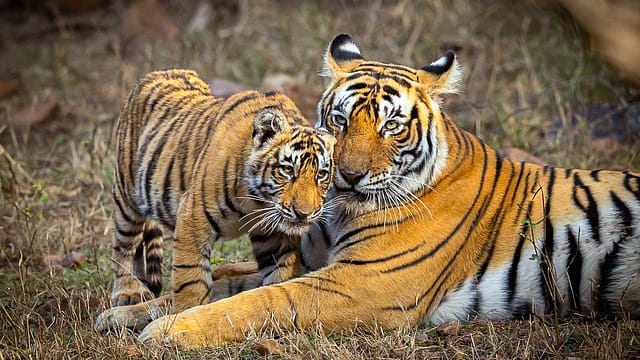
A Supreme Court ruling from November 2025 has introduced sweeping restrictions across India's tiger reserves, banning mobile phones, ending night safaris, and restricting development around reserve fringes.
With 3,600 wild Bengal tigers at stake and tourist behaviour growing reckless, the ruling marks a turning point that wildlife tourism cannot ignore.
What Triggered India's New Tiger Reserve Rules?
A viral video from Ranthambore National Park in February showed a wild tiger surrounded by safari vehicles while tourists shouted and photographed metres away.
These pile-ups, known as "safari jams," had grown routine.
Journalist Charukesi Ramadurai told BBC, guides were jumping off jeeps near tigers to retrieve fallen phones, and a child reportedly fell from a vehicle mid-selfie.
What Are the New Rules?
Mobile phones must be surrendered before entering core tourism zones, or kept silent and out of reach.
Night safaris are now prohibited. Development in fringe areas is restricted. Operators were given three to six months to comply, with full impact expected after this year's monsoon season.
Why Does a Phone Ban Matter More Than It Looks?
Sharad Kumar Vats, CEO of Nature Safari India told BBC, WhatsApp groups among drivers accelerate sighting alerts, directly causing vehicle pile-ups.

Open Minds 2026
26 Jun 2026 - Vol 05 | Issue 26
The power of ideas and arguments in 50 portraits
Geotagged posts compound the problem, turning a tiger's private watering hole into a tourist hotspot.
How Dangerous Has Tiger Tourism Become?
Reportedly, tigers have been linked to 418 accidental deaths across India in the past five years.
Bengal tigers remain an endangered species despite their population doubling between 2010 and 2022, a conservation success that irresponsible tourism at Indian tiger reserves now actively undermines.
The Supreme Court's intervention reads less as overcorrection and more as overdue.
What Does This Mean for the Tourism Industry?
According to Mumbai-based sustainable tourism consultant Ritu Makhija, operators must rebuild offerings around well-managed daytime experiences rather than guaranteed sightings.
The ruling also prioritises homestays and community-run lodges over larger commercial operators.
Is India Alone?
No. Kenya introduced stricter operator standards after tourists blocked the wildebeest migration.
Svalbard now requires cruise vessels to stay 300 to 500 metres from polar bears. Sri Lanka's operators are lobbying for stronger intervention on overcrowding. The correction is global.
What Should Tourists Actually Expect Now?
Private Kenyan safari guide Zarek Cockar argues that expectation-setting matters more than any rulebook.
Experienced safari-goer Prachi Joshi agrees: stop chasing tiger sightings and appreciate the wider ecosystem instead.
The privilege of a safari is not the shot. It is simply being there.
(With inputs from yMedia)