No Merger With Congress, Says Ritabrata Banerjee Amid TMC Turmoil
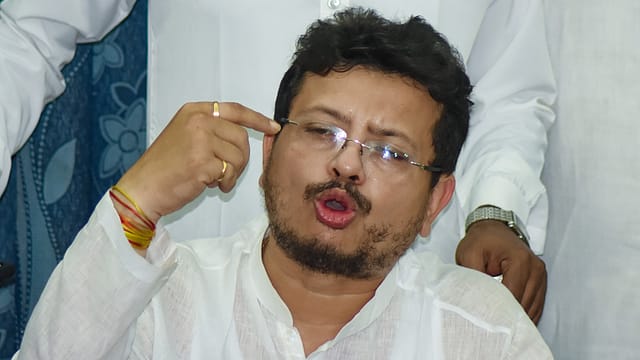
The Trinamool Congress (TMC) is grappling with one of the most significant internal challenges in its recent history, with a rebel faction claiming growing support among legislators, senior leaders resigning from the party, and persistent speculation about future political realignments.
At the centre of the latest developments is rebel leader Ritabrata Banerjee, who has firmly rejected reports suggesting that the dissident camp is preparing to merge with the Congress party.
Why Has Ritabrata Banerjee Rejected Merger Rumours?
Amid mounting political speculation, Banerjee sought to draw a clear distinction between the ongoing rebellion within the TMC and any possibility of joining Congress.
The rebel leader, who was recently recognised by the West Bengal Assembly Speaker as the Leader of the Opposition, claimed that support for his faction has continued to grow.

Greening the Future
23 Jul 2026 - Vol 05 | Issue 30
Securing a sustainable India
"The count is currently 64 (MLAs). These people will come and submit a letter to the Speaker," Ritabrata Banerjee told ANI.
Addressing rumours of a possible merger, he categorically ruled out any such move.
"Regarding a merger, as for our legislative party, we are certainly not joining the Congress. The MPs in Parliament, more than two-thirds of them, are not merging with the Congress either."
Banerjee argued that the rebellion remains an internal organisational issue within the TMC rather than a shift towards another political party.
"Who is merging with whom?" Banerjee asked. "As far as we are concerned and based on what I know, the MPs aren't going, we aren't going, the municipal representatives aren't going, the Zilla Parishad members aren't going, and the Panchayat members aren't going. So, who is going? There is no question of a merger at all."
What Has Congress Said About the Speculation?
Senior Congress leader Adhir Ranjan Chowdhury also dismissed suggestions that discussions regarding a merger were underway.
Speaking in New Delhi, Chowdhury said he had no information about any such proposal.
"I have no information about any merger or such things involving Bengal," he added. "If a formal decision is reached, we will certainly be taken into confidence. If I am asked about it, then I will speak, but right now, I know absolutely nothing."
His remarks indicate that Congress is publicly distancing itself from the rumours surrounding the political future of the rebel TMC faction.
How Serious Is the Internal Revolt Within the TMC?
The turmoil appears to have intensified in recent days following the TMC's defeat in the West Bengal Assembly elections.
One of the biggest blows came from Sushmita Dev, who resigned both from the party and from her Rajya Sabha seat. Her resignation was formally accepted by Rajya Sabha Chairman C. P. Radhakrishnan with effect from June 10.
After stepping down, Dev stated that she now wants to work in Assam. Her subsequent meeting with Himanta Biswa Sarma has fuelled speculation that she could join the BJP.
The developments have added to concerns about the party's ability to maintain unity after its electoral setback.
Why Are Rebel MPs Seeking Separate Seating in Parliament?
The crisis is not limited to the state legislature.
Rebel TMC MP Kakoli Ghosh Dastidar confirmed that a group of MPs has sought separate seating arrangements in the Lok Sabha, signalling an organisational split within the parliamentary party.
She said, "We are 20 MPs who have requested the Speaker for separate seating, and we will be working in conjunction with the Central and State Government for the development of West Bengal".
The move has intensified speculation about the future political alignment of the dissident group.
Are Rebel Leaders Moving Closer to the NDA?
Questions about the rebel faction's future gained momentum after several MPs reportedly met senior BJP leaders, including Union Minister Bhupender Yadav and West Bengal Chief Minister Suvendu Adhikari.
These meetings have sparked speculation that sections of the rebel camp could eventually align with the National Democratic Alliance (NDA), although no formal announcement has been made.
Adding another layer to the crisis, Trinamool Congress MP Abhishek Banerjee met Leader of Opposition in the Lok Sabha Rahul Gandhi at 10 Janpath in New Delhi, a development that has also attracted political attention.
What Role Does the Anti-Defection Law Play?
The future of the rebel MPs is closely tied to India's anti-defection provisions under the Tenth Schedule of the Constitution.
Under these rules, legislators who leave their party can face disqualification unless they are part of a merger supported by at least two-thirds of the members of the legislative party.
This requirement has become central to discussions surrounding the rebel faction's next move, as any formal political realignment would need to satisfy constitutional provisions to avoid disqualification.
What Does This Mean for the TMC?
The TMC now faces a complex challenge involving legislative numbers, parliamentary cohesion and organisational stability.
With rebel leaders claiming growing support, senior figures exiting the party, and ongoing speculation about future alliances, the coming weeks could prove crucial in determining whether the party can contain the crisis or faces a deeper political realignment.
For now, however, Ritabrata Banerjee's message remains unequivocal: despite widespread speculation, the rebel camp insists that there is "no question of a merger" with Congress.
(With inputs from ANI)