‘No Double Standards’: India Calls for Equal Protection of Human Dignity at UNHRC
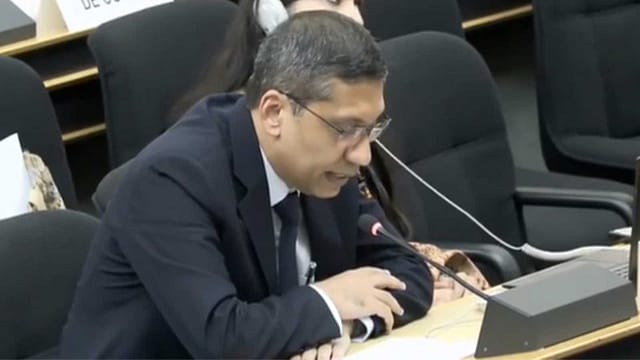
India has called for equal protection of human dignity without selectivity or double standards, while expressing regret over the lack of a clear focus on the rights of victims of terrorism at the United Nations Human Rights Council.
“There must be no hierarchy of human life, no selectivity in protecting human dignity and no double standards,” said Arindam Bagchi, India’s Ambassador and Permanent Representative to the UN and other international organisations in Geneva.
“We regret the absence of a clear focus on the human rights of victims of terrorism,” he added.
His remarks featured in a video shared by India’s Permanent Mission in Geneva on Thursday, summarising the country’s interventions during the Council’s month-long 63rd session, which concluded on October 7.
The Modi Years
02 Oct 2026 - Vol 05 | Issue 40
A Nation Rebuilt
The mission said India, as a Council member, had reaffirmed its commitment to protecting the rights and dignity of all.
DEVELOPMENT, CLIMATE FINANCE AND AI
India urged countries to work towards the early conclusion of the draft International Covenant on the Right to Development.
“Reform of global governance, development cooperation and a strong voice for developing countries remain central priorities,” said Counsellor Gaurav Kumar Thakur.
On climate issues, India backed farmers’ access to climate-resilient seeds and pressed developed countries to deliver on their climate finance commitments.
The mission also highlighted Prime Minister Narendra Modi’s MANAV vision for artificial intelligence, outlined at the New Delhi AI Impact Summit.
“AI must be democratised and become a medium of inclusion and empowerment, especially across the Global South,” said First Secretary Anupama Singh.
SAFEGUARDS FOR INDIANS ABROAD
India sought safeguards against wage theft and passport confiscation, stressing that host countries bore responsibility for the welfare of the Indian diaspora.
The mission also highlighted India’s contributions to UN trust funds supporting technical cooperation and the Universal Periodic Review, the mechanism through which the Council reviews the human rights records of all UN member states.
On racial discrimination, First Secretary and Legal Advisor Sudheer KJ invoked Mahatma Gandhi’s struggle for equality and dignity, saying it anchored India’s commitment to the Durban Declaration.
INDIA REITERATES POSITION ON JAMMU AND KASHMIR
The mission’s summary included India’s interventions through its Rights of Reply, including its response on Jammu and Kashmir.
“Jammu and Kashmir was, is and will always remain an integral and inalienable part of India,” said Counsellor Kshitij Tyagi.
He accused Pakistan of arming, training and sending across the border terrorists who drove Kashmiri Pandits from their homes in 1990. Tyagi said Pakistan should focus on its own development rather than coveting others’ territory or exporting terrorism.
Summing up India’s participation, Bagchi said the country had continued to engage constructively throughout the session, as it had during earlier sessions that year.
With inputs from ANI