NEET-UG paper leak: How questions allegedly reached candidates, and can last-minute papers stop future leaks?
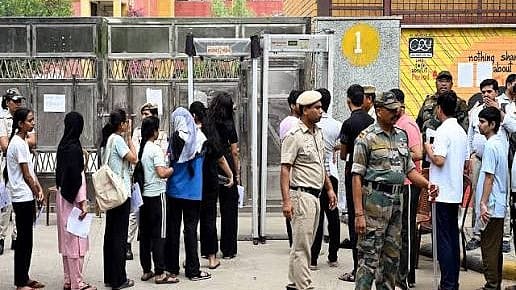
For millions of students preparing for NEET-UG, success is supposed to depend on months of study, revision and performance on examination day. But what happens when questions allegedly reach some candidates before they enter the examination hall?
That question is back in focus after the Central Bureau of Investigation (CBI) filed a supplementary chargesheet against Sheshrao Bajrang Suryavanshi, the 14th accused in the NEET-UG 2026 paper leak case. The development comes as government considers changes to the examination system, including generating question papers shortly before tests begin.
The case now has two parallel storylines: investigators are trying to establish how the alleged leak operated, while policymakers are examining whether the system itself needs to change.
How did the NEET-UG paper allegedly reach candidates?
According to the CBI’s allegations outlined in court, Suryavanshi, who is from Pune, Maharashtra, was closely associated with co-accused Shubham Khairnar. The agency alleges that Suryavanshi arranged purported leaked questions for candidates before the examination and collected money from candidates or their families.

Zeroing In on ECI
09 Oct 2026 - Vol 05 | Issue 41
Constitutional legitimacy versus political opportunism
The CBI has further alleged that candidates were brought to a house in Nanded, where they were supplied with the questions. Their original documents and educational certificates were allegedly collected as security for subsequent payments.
Suryavanshi was arrested on September 2. The Rouse Avenue court in Delhi has taken the supplementary chargesheet on record and is scheduled to hear submissions on it on October 22, according to the latest report on the case.
The CBI had earlier filed its main chargesheet against 13 accused. The allegations against the accused remain subject to judicial proceedings; a chargesheet is not a finding of guilt.
Why has the NEET paper leak triggered calls for exam reform?
The controversy has exposed the stakes involved in protecting a national entrance examination. NEET-UG determines admission to undergraduate medical courses, making the integrity of the process crucial for students competing for limited seats.
The 2026 examination was cancelled after the leak came to light, forcing roughly two million candidates to take a re-test, Reuters reported in July. The episode sparked student protests and prompted the government to pursue tougher measures against examination fraud.
But arrests and prosecutions address alleged wrongdoing after it occurs. Preventing confidential questions from reaching unauthorised people in the first place requires changes to how papers are prepared, stored and distributed.
Can last-minute question papers prevent future NEET leaks?
One proposed solution comes from Nandan Nilekani, who heads the government’s high-powered task force on examination reforms. Speaking on Tuesday, October 13, he suggested generating question papers at the last minute from a large question bank, reducing the opportunity to obtain and sell a fixed paper in advance.
As reported by The Times of India, Nilekani also called for expanding computer-based testing infrastructure across the country. The task force is examining broader systemic reforms, with recommendations expected later this month.
The approach could reduce the risk associated with a single paper being circulated beforehand. But it would require a secure, high-quality question bank, reliable technology and safeguards to ensure that different versions of an examination are comparable in difficulty.
What would these changes mean for NEET aspirants?
For students, the objective is straightforward: every candidate should face a fair examination, regardless of their financial resources or access to coaching networks.
Last-minute paper generation could help reduce opportunities for leaks, but technology alone cannot guarantee security. Question banks must be protected, access controls independently audited and examination systems tested against manipulation. Computer-based testing would also require sufficient centres, reliable infrastructure and arrangements for students who face limited digital access.
The CBI’s latest chargesheet may help investigators establish the alleged chain through which questions reached candidates. Whether future aspirants can be protected from similar controversies will depend on what the courts establish — and whether examination reforms close the vulnerabilities that made the alleged leak possible.
For students and families, the real measure of reform will be whether they can trust that the next examination tests what they know, not whom they know.
(With inputs from ANI)