Mumbai's Watermelon Deaths: A Family Killed by Rat Poison Nobody Can Explain
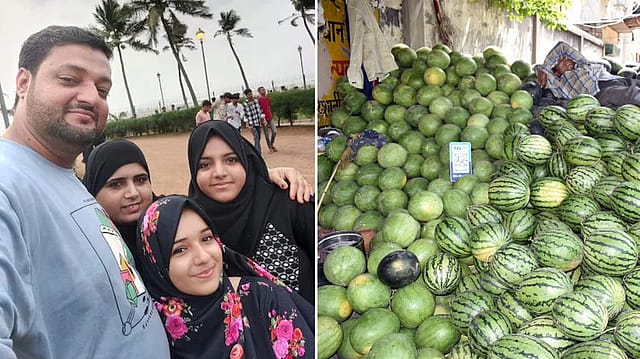
Three weeks after the Dokadia family of four died in their south Mumbai home, the watermelon deaths have evolved from a food safety scare into a full-blown criminal mystery.
Forensic science has confirmed the cause. What it cannot confirm is who is responsible, or how a lethal rat poison found its way into a piece of fruit.
With post-mortems still pending and police questioning dozens, the case is deepening rather than resolving.
Who Were the Dokadias and What Happened That Night?
The family, Abdullah, his wife Nasreen, and teenage daughters Ayesha and Zainab, lived in Pydhonie, south Mumbai.
On 25 April, after hosting relatives for a biryani dinner, the four ate watermelon late at night.
All four collapsed shortly after and were transferred to JJ Hospital, where they died. The sequence unfolded within hours.
Why Did the Watermelon Take All the Blame?
It was the last thing the family ate. Indian media ran with the connection, triggering a public panic that caused watermelon prices in Mumbai's fruit markets to crash. The coverage moved well ahead of the evidence.

Open Minds 2026
26 Jun 2026 - Vol 05 | Issue 26
The power of ideas and arguments in 50 portraits
What Did Forensic Tests Reveal?
According to FSL director Dr Vijay Thakare, zinc phosphide was detected in the liver, kidney, spleen, stomach contents, bile, and abdominal fat of all four deceased.
It was also found in the watermelon sample, as per the BBC. No other food item tested positive, narrowing the source while deepening the Mumbai watermelon death mystery.
How Lethal Is This Rat Poison?
Zinc phosphide generates phosphine gas upon contact with moisture, blocking cells from utilising oxygen and triggering multi-organ failure.
Even trace quantities can be fatal, matching exactly what the Dokadias experienced.
Could This Have Been a Terrible Accident?
Possibly. The Pydhonie building reportedly has a known rodent problem, with many residents using rat poison and glue pads.
Accidental contamination through shared storage remains an active theory. Homicide and suicide have not been ruled out.
What Are Police Still Missing?
According to a senior police official, 40 to 50 people have been questioned and multiple teams deployed, as per the BBC.
Post-mortem reports are still awaited. Three weeks in, there is no confirmed motive or method.
What Does This Case Mean for Urban Food Safety?
That is the question with the longest consequences. The watermelon deaths have exposed how easily a common household chemical can enter Mumbai's informal food supply undetected, and how little regulatory infrastructure exists to prevent it.
(With inputs from yMedia)