Mumbai terror attack anniversary: The friend who helped David Headley prepare for it
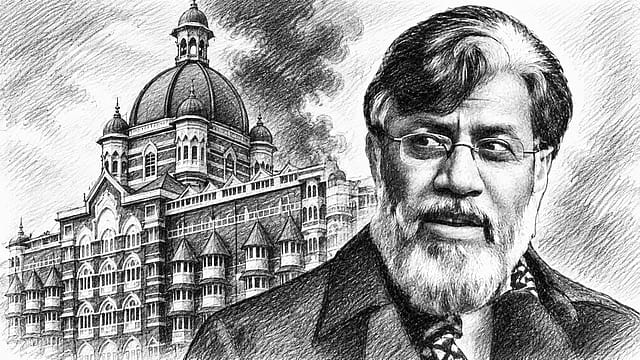
The ten men who arrived in Mumbai by sea on November 26, 2008, were coming to Mumbai for the first time. But if someone had followed them from the sea, it would be hard to believe that. After landing, they moved around with such ease as if they had known Mumbai for decades. They knew the route to buildings, and the layout of the places they finally attacked. This information did not come from hurried reconnaissance; this knowledge came because someone had spent years studying Mumbai city for them.
That man was David Coleman Headley.
An American citizen of Pakistani origin, Headley had made several trips to Mumbai before the attacks, photographing buildings, recording their surroundings and mapping locations. It was this legwork that eventually helped Lashkar-e-Toiba plan and execute the attack. Headley’s movements were made possible, in part, by a man he had come to know during his school days in Pakistan: Tahawwur Hussain Rana.
Anatomy Of A Stillborn Revolution
20 Nov 2026 - Vol 01 | Issue 01
Whatever Happened To The Cockroach Janta Party?
A 2023 investigation by your correspondent examined the relationship between the two men and the circumstances in which their paths converged with the Lashkar-e-Toiba’s plans for Mumbai.
Headley was born Daood Sayed Gilani. He met Rana at the Hasan Abdal military academy in Pakistan, where the two became friends. Years later, when Headley became involved with Lashkar-e-Toiba, that old association became vital for Lashkar. By this time, Headley had already spent time in prison in the United States for drug-related offences. Following his association with the terrorist organisation, he underwent training and became part of its plans for operations outside Pakistan. His Pakistani identity, however, was considered a potential obstacle to international travel.
The solution came with the change of the name and Daood Gilani became David Coleman Headley. Equipped with an American passport and a Western identity, he could travel more freely and attract less attention. In his endeavour, he was helped by Rana’s immigration consultancy. Through him, Headley set up an office in Mumbai, giving him a legitimate reason to visit India. The business arrangement also offered an explanation for his frequent movements around the city.
Headley first travelled to Mumbai in September 2006. In the next two years, he would return several times, making friends with people, moving around, filming potential targets, including the Taj Mahal Palace Hotel. He was also instrumental in surveying Mumbai’s coastline and possible landing sites.
The material he collected was passed on to Lashkar operatives. It would prove invaluable to the men who arrived by sea on the night of November 26.
The attack killed 166 people and left hundreds injured. For nearly three days, Mumbai watched as terrorists moved through some of its most familiar public spaces, attacking hotels, a railway station, a Jewish centre and other locations. The siege ended only after security forces killed or captured the attackers. Ajmal Kasab, the sole surviving gunman, was eventually tried and executed.
Headley was arrested in Chicago in October 2009. He subsequently pleaded guilty to 12 terrorism-related charges in the United States and was sentenced to 35 years in prison. His testimony and cooperation with investigators helped expose the extent of the conspiracy and brought Rana under scrutiny.
Rana's legal journey was considerably longer. India sought his extradition for his alleged role in facilitating Headley's activities. After years of proceedings in American courts, he was extradited to India on April 9, 2025. The National Investigation Agency took custody of him upon his arrival.
The case has since entered the Indian judicial process. His extradition was an important development for Indian investigators.
On the anniversary of 26/11, the Headley-Rana connection is worth revisiting for a reason that goes beyond the prosecution of two individuals. The Mumbai attacks were not planned in a matter of days. They required a network, years of preparation and people who could move between countries without attracting attention.
The men who fired the guns were in Mumbai for three days. The groundwork for their arrival had been laid over several years.