Maharashtra, Kerala Take Urgent Steps to Address LPG Shortage
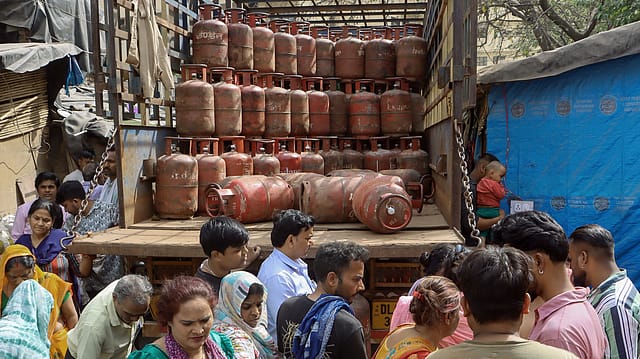
India is grappling with an emerging cooking gas crisis as state governments step up measures to manage LPG supply disruptions linked to the ongoing conflict in West Asia and concerns over energy security.
The Maharashtra government on Friday directed oil companies to immediately repair technical glitches in LPG booking apps and missed call services to ensure residents can book their cylinders without any hassle.
Control rooms will also be set up at the state, department, district and taluka levels, while a WhatsApp facility will be introduced for complaint redressal.
Considering the upcoming religious festivals and celebrations, the government said priority will be given to ensuring uninterrupted LPG supply to public institutions.
Authorities have also been instructed to seek the assistance of local representatives and gram panchayat members to prevent panic among citizens regarding the supply of gas cylinders.
How is the Strait of Hormuz crisis affecting LPG supply and India’s energy security?
The responsibility of providing necessary police protection to vehicles transporting LPG, as well as to gas agencies, has been entrusted to the police administration.
The concerns over supply disruptions come amid rising tensions in West Asia and the closure of the Strait of Hormuz, a key maritime route for global energy shipments.

War on Iran: The War That No One Won
10 Apr 2026 - Vol 04 | Issue 66
And the price of surviving it
Leader of Opposition in the Lok Sabha Rahul Gandhi on Thursday warned that the conflict involving the United States, Israel and Iran could have serious consequences for India’s energy security.
Speaking in the Lok Sabha, he said the war could have far-reaching global and domestic repercussions, particularly because a large portion of India’s oil and natural gas imports passes through the Strait of Hormuz.
“The pain has just started. Restaurants are closing. There's widespread panic about LPG...This is only the beginning," he added.
However, Iranian authorities have allowed Indian-flagged vessels to pass safely while maritime traffic remains largely suspended in the region.
A Liberia-flagged tanker, the Shenlong Suezmax, carrying Saudi crude reached the Mumbai Port at 1 pm on Wednesday, becoming the first India-bound vessel to pass through the Strait of Hormuz since the Iran-US conflict began.
The supply disruption has already begun affecting several sectors. Earlier this week, Pune Municipal Commissioner Naval Kishor Ram said the city's 27 crematoriums are fully functional, but the 18 that use Liquefied Petroleum Gas will be temporarily closed to prevent a shortage due to the break in supply.
What steps has Kerala taken to tackle the shortage of non-domestic LPG cylinders?
A high-level meeting chaired by Chief Minister Pinarayi Vijayan decided to take urgent steps to address the shortage of LPG cylinders meant for non-domestic use in the state.
The meeting resolved to request the Centre to increase the quota of non-domestic LPG cylinders allotted to Kerala.
The current limit for such cylinders stands at 20 per cent. The state government said a higher allocation is needed considering the presence of a large number of migrant workers and the growing demand for LPG.
To closely monitor the daily consumption and distribution of LPG cylinders used for both industrial and domestic purposes, the state will form a state-level monitoring committee. District-level monitoring committees will also be set up under the leadership of district collectors.
Monitoring will be carried out through a specially prepared dashboard system to track supply and consumption patterns.
Which institutions will receive priority supply of LPG cylinders in Kerala during the crisis?
The meeting, convened by the state government with representatives of major LPG companies to address the ongoing cooking gas crisis, also reviewed the need to establish a priority order for non-domestic LPG distribution during periods of shortage.
Institutions including hospitals, old-age homes, orphanages, schools, community kitchens, IT park canteens and factory canteens will be given priority in the supply of cylinders. LPG companies have assured that guidelines for this priority distribution can be issued.
The state government will also discuss and submit a list of other sectors that should be included in the priority category.
The Chief Minister stressed that under no circumstances should the functioning of crematoriums be disrupted due to the LPG shortage.
The Civil Supplies Department will also take steps to increase the distribution of kerosene.
To prevent misuse of domestic cylinders for commercial purposes, enforcement teams comprising officials from the Revenue Department, Civil Supplies Department, police and LPG company representatives will intensify inspections.
Authorities will also take steps to counter fake news related to the cooking gas crisis.
The meeting was attended by Civil Supplies Minister G R Anil, Finance Minister K N Balagopal, Local Self Government Minister M B Rajesh, Chief Secretary Dr A Jayathilak and senior officials.
Representatives from public sector oil companies including IOCL Chief General Manager Geetika Verma, BPCL LPG State Head Tharyan Peter and HPCL Regional Manager Amsur Rahman also participated in the meeting.
(With inputs from ANI)