Inside Census 2027: How India Plans Its First Fully Digital Count
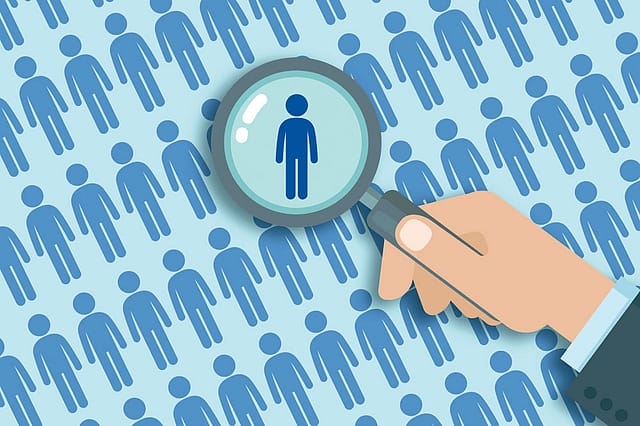
After a 16-year gap, Census 2027 marks India’s first fully digital census, replacing paper surveys with mobile-based enumeration, self-reporting, and real-time tracking. With Phase I starting in April 2026, the ₹11,500+ crore exercise aims to fix outdated 2011 data and sharpen policy, welfare and political planning.
Here’s a more detailed look
What makes Census 2027 different from previous exercises?
Census 2027 replaces manual schedules with mobile-based enumeration and real-time uploads. It’s India’s first fully digital census, designed to reduce processing delays that stretched for years after 2011 and enable faster release of official data.
When and how will the census be conducted?
The exercise will unfold in two phases. Phase I, the housing listing survey, which began April 1, 2026. Phase II, population enumeration, will take place in early 2027, with March 1 as the reference date.
Zeroing In on ECI
09 Oct 2026 - Vol 05 | Issue 41
Constitutional legitimacy versus political opportunism
How will the digital census process work?
The process begins with a 15-day self-enumeration window via a secure portal, where citizens submit data and receive a unique SE-ID. Enumerators, using mobile apps, then verify this ID or record details digitally at the doorstep, with no documents required.
What kind of data will Census 2027 collect?
The census will capture detailed socio-economic and demographic data, including housing, education, occupation, and migration. It will also include a full caste enumeration for the first time since 1931 and recognise stable live-in relationships as married units, expanding its policy relevance.
How will technology improve accuracy and speed?
Built-in validation checks in the app prevent unrealistic entries, while real-time monitoring dashboards allow administrators to track progress. This system could enable the provisional release of data within weeks rather than years.
Why does Census 2027 matter for policy and politics?
The data will directly influence welfare planning, resource allocation, and the upcoming delimitation exercise. Fresh population figures will shape political representation ahead of future elections, making this digital census a critical tool for governance in India.
What happens after the data is collected?
The government plans to use a “Census-as-a-Service” model, turning census data into a queryable database for ministries. This enables targeted policymaking, in which schemes can be aligned with real-time demographic insights rather than outdated estimates.
(With inputs from yMedia)