India's Consumer Economy is Set to Touch $1.9 Trillion by 2030. Here's What's Driving the Boom

India's consumer economy is entering its biggest growth phase yet.
Private consumption is projected to reach nearly $1.9 trillion by 2030, driven by rising disposable incomes, rapid urbanisation, a fast-expanding middle class and the country's digital transformation, according to a new report by FICCI and Deloitte.
The report, Consumer Trends: IGNITEing Growth and Governance, says India's consumption story is being reshaped by powerful demographic and technological shifts. With more than one billion internet subscribers and 228 billion UPI transactions worth nearly $3.6 trillion in 2025, consumers are becoming more connected, digitally savvy and willing to spend than ever before.
The report argues that Indian consumers are no longer driven by price alone. They are increasingly seeking quality, convenience, personalised experiences, sustainability and brands they can trust. Health, wellness and social impact are also becoming important factors influencing purchasing decisions.
For businesses, however, the opportunity comes with new challenges. Companies across FMCG, retail and e-commerce will have to navigate a rapidly evolving regulatory environment covering product quality, labelling, consumer protection, environmental compliance, digital commerce and data governance.
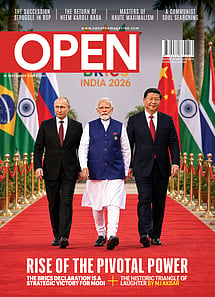
Rise of the Pivotal Power
18 Sep 2026 - Vol 05 | Issue 38
The BRICS declaration is a strategic victory for Modi
Speaking at the launch of the report during FICCI MASSMERIZE 2026, Consumer Affairs Secretary Nidhi Khare said improving product quality had become essential as consumer complaints continue to rise.
She announced that the government would begin issuing Improvement Notices under the Legal Metrology Act, allowing manufacturers and retailers to correct minor compliance issues before punitive action is initiated.
Khare also revealed plans to introduce 'Smart Standards' by World Standards Day on October 14, alongside AI- and robotics-powered testing infrastructure aimed at improving accuracy while reducing compliance costs, particularly for MSMEs.
Highlighting changing consumption patterns, Jeyandran Venugopal, President and CEO of Reliance Retail Ventures Ltd., said understanding generational shifts had become critical.
"The way Gen Z consumes products today is very different from previous generations. Businesses need to align products with evolving consumer expectations," he said.
Echoing that view, Manish Anandani, Managing Director of Kenvue India, described India's consumer market as one of the world's most compelling growth stories, powered by rising aspirations, digital adoption and innovation.
According to the report, businesses that successfully combine technology, trust, sustainability and personalised experiences will be best placed to capitalise on what could become one of the world's fastest-growing consumer markets over the rest of the decade.
(With inputs from ANI)