India–New Zealand FTA Explained: 70% Goods to Go Duty-Free
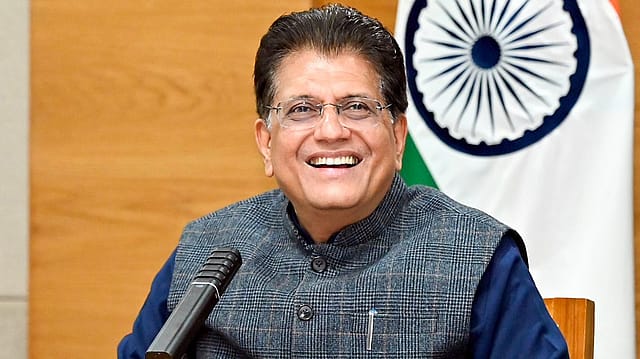
India and New Zealand are on the verge of signing a long-awaited free trade agreement (FTA), a move expected to significantly deepen economic ties and open new export avenues for Indian businesses, especially MSMEs.
What is the India–New Zealand FTA and why now?
The agreement, finalised after years of negotiations, marks a major milestone in bilateral relations. Union Commerce and Industry Minister Piyush Goyal confirmed that the deal is ready for signing.
"On the bilateral trade agreement between India and New Zealand... after many years of discussions, which was also discussed by Prime Minister Narendra Modi and New Zealand's Prime Minister Christopher Luxon, it was finalised. It is going to be signed tomorrow," Goyal said.
The timing reflects a shared push by both governments to strengthen economic engagement and prioritise trade cooperation.
How will the FTA benefit Indian exports?
One of the most significant features of the agreement is improved market access for Indian goods entering New Zealand.
"Approximately 70 per cent of goods from India to New Zealand will reach there without any import duty," he said.
This duty-free access is expected to make Indian products more competitive, potentially increasing export volumes and boosting revenue for domestic industries.
Which sectors stand to gain the most?
The agreement is particularly promising for traditional industries and MSMEs, which often rely heavily on export markets.

Open Minds 2026
26 Jun 2026 - Vol 05 | Issue 26
The power of ideas and arguments in 50 portraits
"We will get new opportunities for our Agra leather business and Uttar Pradesh handloom and handicrafts... to our one district one product... to our carpenters who make the goods to the handcarvers and many more opportunities," Goyal noted.
These sectors, many of which are labour-intensive, could see increased demand and job creation as trade expands.
Will this deal significantly boost bilateral trade?
The government believes the FTA will act as a catalyst for stronger trade flows in the near future.
"In a few months, it will be a means of increasing trade between India and New Zealand," Goyal said.
Beyond goods, the agreement is expected to strengthen broader economic engagement, including services and investment.
How strong are India–New Zealand relations currently?
New Zealand’s Trade and Investment Minister Todd McClay underscored the growing strength of ties between the two countries.
"It's very strong. In fact, it's probably the strongest relationship that I have ever known. We, as a government of New Zealand, have said that we want to make our relationship with India and its government a strategic priority... We have a shared history, and we also know that we need to keep working on that. I'm excited for the next few years. I think we will see direct flights between India and New Zealand. Many more people can come and visit for tourism... we're about to sign a free trade agreement,” he said.
His remarks point to a broader partnership that extends beyond trade, including tourism, connectivity, and long-term strategic cooperation.
What does this mean for the future?
The India–New Zealand FTA is expected to expand export opportunities, strengthen MSMEs, and deepen bilateral ties. Its success, however, will depend on how businesses leverage the new market access and how both countries sustain momentum in cooperation.
(With inputs from ANI)