India-US Trade Deal ‘Very Far Advanced’, Section 301 Clouds Timing: Jaishankar
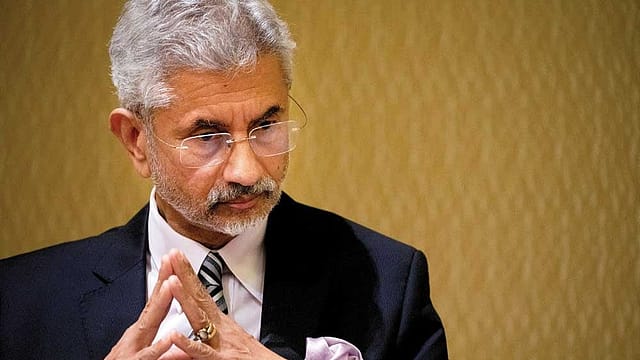
India and the United States have broadly reached an understanding on a trade agreement, but changes in American tariff rules and the continuing Section 301 process remain factors in deciding when to finalise it, External Affairs Minister S Jaishankar has said.
Speaking at an Asia Society interaction in New York, Jaishankar described the negotiations as “very, very far advanced” while drawing attention to the unresolved tariff landscape.
“The 301 process is still in the works, it’s still unfolding. So the issue for us is at what point do you close out an agreement which is very, very far advanced,” he said.
Why Section 301 Matters
Section 301 of the US Trade Act of 1974 allows Washington to investigate trade practices it considers unfair and take enforcement action, including imposing additional tariffs. The US Trade Representative conducts these investigations and responds to practices that may violate American trade rights or agreements.

Zeroing In on ECI
09 Oct 2026 - Vol 05 | Issue 41
Constitutional legitimacy versus political opportunism
In July, the USTR announced final measures following a Section 301 investigation into forced-labour-related import restrictions and enforcement practices across 60 economies, including India.
The measures included an additional 10 per cent tariff on Indian imports, below the 12.5 per cent initially proposed in June. According to the Ministry of Commerce and Industry, sustained engagement with Washington helped secure India’s placement in a lower tariff tier.
Jaishankar’s remarks indicate that the implications of the Section 301 process remain part of India’s assessment of when to conclude the wider trade agreement.
Small Producers Complicate Negotiations
Jaishankar said differences between the Indian and American economies had made negotiations more complex than expectations of a quick agreement suggested.
“India is a society of small producers, small agriculture producers, small factories,” he said, pointing to differences in both per capita income and the organisation of production.
Those structural differences, he explained, required patience and detailed negotiations. Expectations that talks could progress rapidly had encountered a more complicated reality.
“Today, I think we have reached a situation where there is more or less an understanding on the trade agreement,” he said.
Competitive Access Remains a Priority
Commerce and Industry Minister Piyush Goyal had earlier described the bilateral pact as “done and dusted”.
Goyal said the agreement could move forward once India secured appropriate competitive advantages in the US market relative to regional competitors, including ASEAN countries, China and Bangladesh.
The comments from the two ministers place the remaining emphasis on the conditions under which the agreement is concluded, particularly the tariff treatment Indian exporters would receive compared with competing suppliers.
With inputs from ANI