India-US Trade Deal ‘Close to Culmination’, Says Goyal as Washington Proposes 25% Tariff
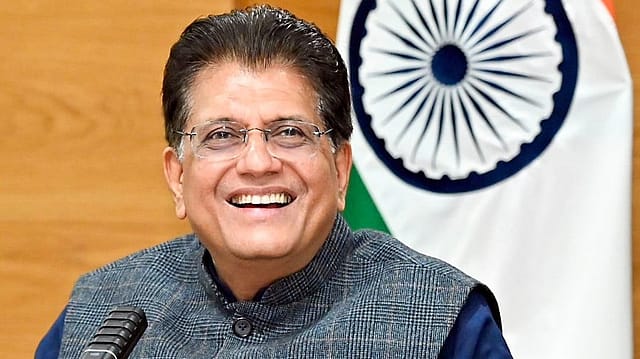
India and the United States are close to finalising a trade deal, Commerce and Industry Minister Piyush Goyal said on Friday, even as Washington considers tariffs of up to 25 per cent on Indian goods. Goyal said the two sides were making progress on a question that had held up the agreement: how to bring the negotiations to a close.
“The US trade deal is close to culmination. The process and pathway, which was always something which held back finalizing the deal, is now taking some shape,” Goyal said in a virtual address to the India Debt Capital Market Summit 2026.
How a trade deal could change the US tariff
The US Trade Representative proposed the duties after a Section 301 investigation into what Washington describes as structural excess capacity in Indian manufacturing. India disputes the findings. The US has indicated that the proposed tariff could fall to 17 per cent if a reciprocal trade agreement addresses the issues raised in the investigation. The proposal is open to public comment, with hearings scheduled to begin on January 25, 2027.

Anatomy Of A Stillborn Revolution
20 Nov 2026 - Vol 01 | Issue 01
Whatever Happened To The Cockroach Janta Party?
Goyal gave a firmer timeline for India’s free trade agreement with the European Union. He expects the two sides to sign the pact before the end of 2026 and said it could take effect in March or April 2027.
By Goyal’s count, India has finalised nine free trade agreements in five years, covering 38 developed countries. Those agreements give India preferential access to economies with a combined GDP of $70 trillion, he said. Another eight or nine pacts under negotiation could take that figure to $85 trillion.
October exports approach $90 billion
India earned about $570 billion from exports in the first seven months of FY27, Goyal said. October alone accounted for nearly $90 billion, a record. He credited manufacturers, service providers and exporters of agricultural and fisheries products for keeping the $1 trillion annual target, set in May, within reach.
The economy grew 7.8 per cent in the first quarter, and Goyal said he expected the September quarter to sustain that momentum. He cited a rise of about 12 per cent in gross fixed capital formation, a measure of investment, and bank credit growth of around 19 per cent.
Goyal said India’s ability to withstand oil price swings had improved as its economy grew. He pointed to foreign exchange reserves of more than $700 billion and relatively low external debt as reasons why oil shocks were unlikely to determine the country’s long-term growth prospects.
Goyal wants bonds to trade as easily as shares
Semiconductor plants, power grids, data centres and ports will all need substantial capital, Goyal told the summit. He urged large companies, public sector undertakings and infrastructure developers to make bond markets their first choice when raising money for such projects. Private capital would play a greater role, he said, while India’s inclusion in global bond indices would help deepen the market.
For institutional investors, his request was to back long-term debt and “look beyond just the AAA”. For the debt market itself, he had a simpler test: how quickly could an investor complete a trade? “Make bonds easy to trade. It should be just like the share market, instantaneous.”
With inputs from ANI