India Gets Its 101st Ramsar Site: Why Arunachal Pradesh's Glaw Lake Is a Big Milestone
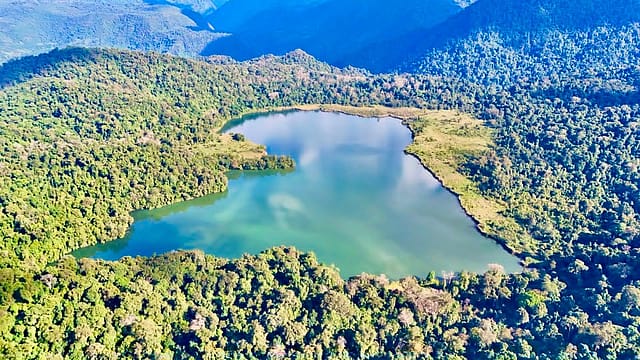
India has crossed another milestone in its environmental conservation journey.
Glaw Lake, a pristine freshwater lake tucked inside Arunachal Pradesh's Kamlang Tiger Reserve, has been designated as the country's 101st Ramsar Site. The recognition not only gives Arunachal Pradesh its first Ramsar Site but also reflects India's rapid expansion of internationally protected wetlands, from just 26 in 2014 to 101 today.
Here's why this matters.
What is a Ramsar Site?
A Ramsar Site is a wetland recognised under the Ramsar Convention, an international treaty signed in the Iranian city of Ramsar in 1971 to promote the conservation and sustainable use of wetlands. Countries nominate wetlands that are considered internationally important because of their ecological value, biodiversity and role in supporting water security and local livelihoods.

Zeroing In on ECI
09 Oct 2026 - Vol 05 | Issue 41
Constitutional legitimacy versus political opportunism
Why has Glaw Lake been designated a Ramsar Site?
Located within the Kamlang Tiger Reserve and Wildlife Sanctuary, Glaw Lake is one of the Eastern Himalayas' most pristine freshwater ecosystems. Fed by perennial mountain streams, the lake supports an exceptionally rich ecosystem. More than 150 tree species and 49 orchid species have been recorded within the lake's catchment, making it an important biodiversity hotspot.
Why is this designation significant?
The recognition is significant for two reasons. First, Arunachal Pradesh has received its first-ever Ramsar Site, bringing one of India's richest biodiversity landscapes under global recognition. Second, the addition of Glaw Lake takes India's total Ramsar Sites to 101, reinforcing the country's growing focus on wetland conservation, climate resilience and sustainable ecosystem management.
How has India's Ramsar network grown?
India's Ramsar network has expanded dramatically over the past decade. According to the government, the country had 26 Ramsar Sites in 2014. With the addition of Glaw Lake, that number has now climbed to 101, making India one of the countries with the largest Ramsar networks in the world.
Why are wetlands so important?
Wetlands are among the planet's most productive ecosystems. They help store floodwaters, recharge groundwater, improve water quality, absorb carbon, regulate local climate and provide habitat for thousands of species of plants, birds, fish and mammals. They also support the livelihoods of millions of people through fishing, agriculture and eco-tourism.
What does Ramsar recognition actually change?
The Ramsar tag does not turn a wetland into a protected area by itself. Instead, it commits governments to conserving the site's ecological character through better planning, scientific monitoring and sustainable management. The designation also raises global visibility, helping attract conservation funding and encouraging responsible tourism and research.
What did the government say?
Environment Minister Bhupender Yadav described the designation as a milestone for biodiversity conservation, water security and climate resilience. He said the expansion from 26 Ramsar Sites in 2014 to 101 today reflects India's commitment to protecting wetlands while ensuring that communities dependent on these ecosystems continue to benefit from them.
(With inputs from ANI)