Everything You Need to Know About the 2026 Kerala Election
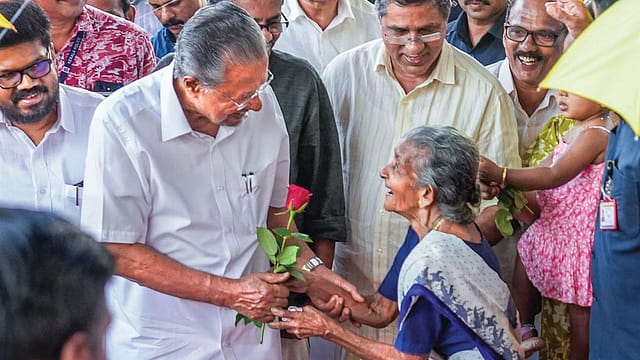
Kerala's 2026 election has delivered a clear verdict. The Congress-led UDF has emerged with 63 seats, ending Pinarayi Vijayan's decade-long hold on power. With 78.27 per cent voter turnout across all 140 constituencies and a newly competitive triangular contest, this Assembly election has redrawn Kerala's political map in ways that will shape the state for years ahead.
What Made This Election Different From All Previous Ones?
For decades, Kerala alternated between the LDF and UDF. The 2026 election disrupted that rhythm. The BJP-led NDA established itself as a credible third force, reportedly polling between 10 and 16 per cent of the vote share, making several constituencies unpredictable and forcing both legacy alliances to recalibrate their campaigns entirely.
Who Were the Key Faces Driving Each Alliance?
Pinarayi Vijayan anchored the LDF campaign on welfare schemes and infrastructure delivery. VD Satheesan led the UDF on accountability and unemployment. Rajeev Chandrasekhar fronted the NDA's push, targeting urban and semi-urban seats with an economic pitch focused on job creation.
What Issues Decided How Kerala Voted?
Unemployment, youth migration, and rising public debt dominated voter sentiment. The Sabarimala controversy continued to carry political weight for the BJP, adding a socio-religious undercurrent that influenced mobilisation in select constituencies.
How Did the Numbers Play Out on Counting Day?
Voting was held in a single phase on April 9. Congress emerged as the single largest party with 63 seats, giving the UDF a decisive mandate. The outcome hinged on narrow constituency-level shifts rather than any sweeping statewide wave.

Global By Design
29 May 2026 - Vol 04 | Issue 73
Is the future of fashion Indian?
Who Will Become the Next Chief Minister of Kerala?
Three names are reportedly in contention within Congress: VD Satheesan, senior leader Ramesh Chennithala, and AICC general secretary KC Venugopal. The final call is expected to involve both state leadership and central party direction.
Following the UDF’s decisive victory in yesterday’s election results, Pinarayi Vijayan submitted his resignation and is currently serving as the Caretaker Chief Minister.
What Does the UDF Victory Mean for Kerala's Political Future?
The UDF's return breaks the Left's bid for an unprecedented third consecutive term. However, the NDA's growing vote share signals that Kerala's bipolar structure faces genuine long-term pressure.
How the new government manages fiscal stress and unemployment will determine whether the UDF can consolidate this mandate or whether Kerala's triangular contest becomes a permanent feature.
(With inputs from yMedia)