Dharavi's Biggest Green Makeover Yet: 40,000 Trees, a Revived Mithi River and a 3.3-km Public Promenade
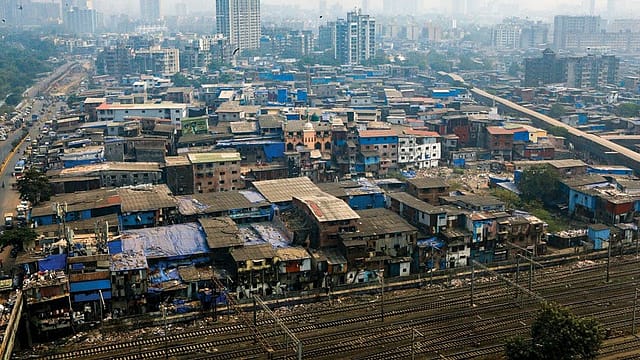
Dharavi's redevelopment is no longer just about housing.
It is also about rewriting the environmental story of one of Mumbai's most densely populated neighbourhoods.
At the heart of the masterplan lies an ambitious green-blue network centred around the rejuvenation of the Mithi River, thousands of new trees and a series of interconnected parks and public spaces designed to make Dharavi cooler, greener and more liveable.
The plan seeks to transform a neighbourhood long associated with congestion and concrete into a district where nature becomes part of everyday urban life.
One of the biggest highlights is the restoration of the Mithi River, which will anchor a 3.3-km public promenade stretching from the Matunga culvert along the riverfront. Open to all Mumbaikars, the waterfront will feature viewing decks, cafés, cultural spaces and landscaped public areas while preserving and strengthening the river's ecological character.

The Health and Wellness Issue
25 Sep 2026 - Vol 05 | Issue 39
According to officials, the riverfront will be lined with native tree species and pollution-absorbing vegetation. Permeable paving, bioswales and other climate-sensitive design features have also been incorporated to improve stormwater drainage, enhance groundwater recharge and support the long-term health of the river ecosystem.
The riverfront will not exist in isolation.
It will connect seamlessly with a wider network of green infrastructure planned across Dharavi, including a 15-metre-wide Green Spine for pedestrians and cyclists, a large Central Park and several neighbourhood parks linked through tree-lined corridors.
Officials say these green spaces have been designed as one continuous ecological network that will improve air circulation, reduce the urban heat island effect, strengthen biodiversity and provide residents with significantly greater access to open public spaces.
Tree plantation forms another major pillar of the redevelopment.
Around 40,000 trees will be rejuvenated and planted in phases within Dharavi itself, nearly five times the number proposed to be removed during redevelopment. In addition, close to two lakh compensatory trees will be planted across the Mumbai Metropolitan Region, with large-scale plantations already underway in Palghar district because of limited land availability within Mumbai.
Project officials said 30,000 trees have already been planted at Chahade village in Palghar, while the broader afforestation programme targets 75,000 new trees during the current monsoon season.
Environmental consultancy Terracon has been appointed to execute and monitor the plantation programme. Its responsibilities include scientific planting, irrigation, protection and maintenance of the trees for five years, besides submitting mandatory six-monthly survival reports to ensure higher survival rates.
The entire plantation and maintenance programme will be funded by Adani Navbharat Developers Private Limited (ANDPL).
According to ANDPL, the combination of a restored Mithi River, extensive tree plantation, interconnected parks and pedestrian-friendly green corridors is intended to fundamentally reshape Dharavi's urban landscape.
Rather than treating parks, trees and waterways as standalone features, the redevelopment seeks to weave them into a single environmental network that improves air quality, lowers temperatures, strengthens ecological resilience and creates healthier public spaces for one of Mumbai's most densely populated communities.
(With inputs from ANI)