Delhi's Heatwave Is Here Early and It's Only Getting Worse - What You Need to Know
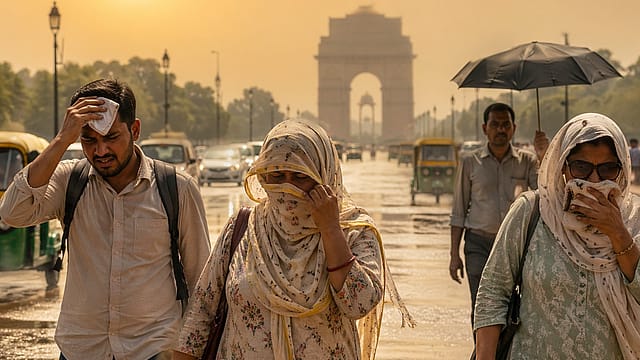
Delhi is not waiting for May this year.
As of April 22, temperatures have already breached 40°C - weeks ahead of what was once considered peak heat season. The India Meteorological Department has issued a yellow alert for a severe five-day heatwave spell across Delhi-NCR. For a city that has normalised extreme summers, 2026 is arriving with unusual aggression.
What Is a Heatwave, Technically?
According to India Meteorological Department (IMD), a heatwave in the plains is declared when the maximum temperature reaches 40°C and sits 4.5°C to 6.4°C above normal. By that definition, Delhi crossed the threshold this week - and is not expected to retreat anytime soon.
Why Is It So Bad This Year?
Clear skies, dry winds, and the absence of western disturbances have accelerated the temperature rise. IMD Director General Mrutyunjay Mohapatra reportedly told PTI that higher temperatures are expected every year, particularly in April and May, calling northern India's heat corridor - spanning Uttar Pradesh, Haryana, and Vidarbha - climatologically prone to extremes.

Zeroing In on ECI
09 Oct 2026 - Vol 05 | Issue 41
Constitutional legitimacy versus political opportunism
Which Parts of Delhi Feel It Most?
Urban heat island effects make Southwest Delhi, Najafgarh, Badarpur, and Jaitpur the city's hottest pockets. Concrete density traps heat overnight, which is why nighttime temperatures are also staying elevated at 21-25°C - offering little recovery for the body between days.
What Are the Real-World Consequences?
Beyond discomfort, the heat strains the power grid, disrupts agricultural supply chains, and pushes vegetable prices upward. Hospitals historically report sharp rises in heatstroke and dehydration cases during prolonged spells.
How Does 2026 Compare to the Last Three Years?
The trend is consistently worsening. 2023 was relatively mild with no official April heatwaves. In 2024, Delhi recorded 12 heatwave days including a 10-day streak where temperatures exceeded 45°C in May and June, alongside a reported 20% spike in heatstroke hospital cases. In 2025, the first heatwave arrived as early as April 7.
In 2026, temperatures hit 40°C+ around April 21-22, with forecasts of 42-45°C through April 25 - making it one of the earliest and most intense starts on record.
What Is IMD Doing to Protect Vulnerable Populations?
According to Mohapatra, IMD has set up WhatsApp groups reaching associations of rickshaw pullers, street vendors, and field labourers - a model piloted after those groups approached the department directly in 2025. Display boards with heat advisories have also been installed at key public locations.
What Should Residents Do?
Avoid stepping out between 11 AM and 4 PM. Drink 3-4 litres of water or fluids daily regardless of thirst. Wear light, loose cotton clothing. ORS, buttermilk, and coconut water offer faster rehydration than plain water alone. The IMD's Common Alert Protocol allows anyone with a mobile phone to access real-time heat forecasts directly.
(With inputs from yMedia)