Delhi Riots: HC Rejects Independent Probe, Says No Evidence of Compromised Investigation
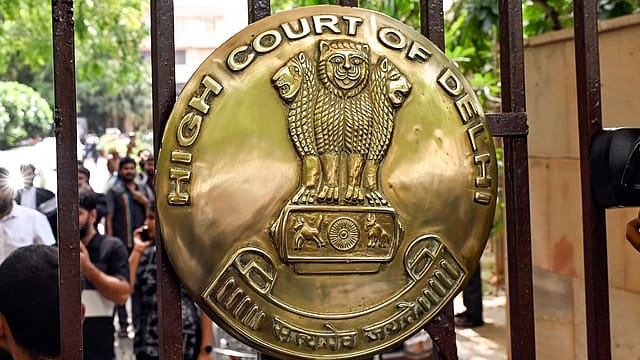
The Delhi High Court has dismissed petitions seeking an independent investigation into the 2020 North-East Delhi riots, holding that the material before it did not establish that the Delhi Police probe was compromised, tainted or lacking in credibility enough to warrant a transfer.
A bench of Justices Vivek Chaudhary and Manoj Jain said allegations of police misconduct during the violence could not, by themselves, establish that the force’s entire investigative machinery was incapable of conducting a fair probe. Transferring an investigation required rare and exceptional circumstances supported by material showing that the investigation itself stood compromised.
The bench, however, clarified that its decision did not shield police personnel from criminal or departmental proceedings where credible evidence disclosed wrongdoing.
WHY THE COURT DECLINED AN INDEPENDENT PROBE
The petitions arose from the communal violence that swept parts of North-East Delhi in February 2020 following protests against the Citizenship Amendment Act and the proposed National Register of Citizens. The violence caused deaths, displaced families and damaged homes, shops, vehicles and places of worship.

Losing Memory
16 Oct 2026 - Vol 05 | Issue 42
The making of a medical and social emergency
The petitioners sought several measures, including a Special Investigation Team or transfer of the probe to an independent agency, FIRs against political leaders, action against police personnel, preservation of electronic evidence, and compensation and rehabilitation.
The court noted that criminal proceedings had substantially advanced in the six years since the petitions were filed. According to figures recorded in the judgment, as of February 19: 757 criminal cases had been registered; 65 cases had been transferred to the Crime Branch; charge-sheets had been filed in 369 cases; proceedings in 212 cases were pending before criminal courts; and investigations continued in 249 cases.
The judgment also recorded 22 convictions, 108 acquittals and 16 discharges.
A wholesale transfer at this stage could unsettle completed investigations, filed charge-sheets and pending trials, the bench said. It held that the court’s extraordinary jurisdiction under Article 226 could not be exercised to disrupt the criminal process without compelling constitutional necessity.
WHY NO FIR DIRECTIONS OVER ALLEGED HATE SPEECHES?
The court declined to order FIRs against political leaders over alleged inflammatory or hate speeches, saying the completeness, authenticity and context of the material had not been established.
The petitioners had relied on transcripts, videos, newspaper clippings and media reports, with several speeches presented only as excerpts. The bench said it could not assume these were complete and accurate versions or reach definitive findings about their contents and context.
It also observed an “element of political selectivity” in the individuals and speeches chosen for action, while clarifying that it was unnecessary to make a finding on the petitioners’ subjective motives.
POLICE REMAIN ACCOUNTABLE IN INDIVIDUAL CASES
The bench rejected demands for a general inquiry into alleged police inaction, complicity and misconduct, and for a roving departmental inquiry.
It nevertheless said competent authorities could act where credible material disclosed misconduct, dereliction of duty or a criminal offence. Individuals remained free to pursue appropriate remedies in specific cases.
The court also stressed that safeguards governing arrest, detention and inquest under Sections 41B, 41C, 41D and 174 of the CrPC were mandatory. Alleged violations could be examined in proceedings concerning the individual case.
WHAT DID THE COURT SAY ABOUT THE MINORITIES COMMISSION REPORT?
The Delhi Minorities Commission’s report could not be dismissed merely because it was a fact-finding exercise, the bench said.
However, it principally contained accounts from affected people and material collected during that exercise. It did not examine the entirety of the incidents, competing versions, evidence in individual criminal cases or the subsequent investigations.
The report therefore could not, by itself, conclusively establish an individual officer’s culpability or show that Delhi Police investigations as a whole were tainted.
NO BLANKET ORDERS ON CCTV OR COMPENSATION
The court acknowledged the evidentiary value of CCTV footage, phone recordings and other digital material. But with numerous cases already before criminal courts, questions about custody, preservation and production of evidence fell within those courts’ jurisdiction.
The petitioners had also identified no specific instance of relevant electronic evidence being destroyed, tampered with or deliberately withheld, the bench said.
On compensation, it noted that a Claims Commissioner mechanism had already operated and awarded compensation in many cases. No systemic failure requiring further general directions had been demonstrated.
Describing the violence as “undoubtedly of grave concern”, the court nevertheless found no exceptional circumstances warranting the broad directions sought.
With inputs from ANI