Delhi is choking and we have run out of excuses
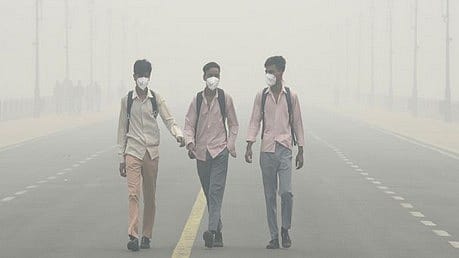
There is something seriously troubling about how people in Delhi and its neighbourhood have become resigned to their fate when it comes to terrible air-pollution levels around this time. The first signs of AQI turning nasty are already here; the sky is turning colourless, the vision around us turning jaundiced, and more and more people coughing and complaining about breathlessness. The AQI becomes subject of public conversation, but beyond the usual knee-jerk reaction, the government does not care.
On November 3, Delhi's AQI touched 331, placing it in the very poor category. In some parts, it reached 449. Behind these numbers are millions of people breathing air that is slowly compromising their health. But what is tragic is how normalised this has become in our lives and how we have accommodated bad air. Air purifiers have become household necessities for those who can afford them and the masks have returned. Morning walks have to be abandoned and children and the elderly will be forced to remain indoors.

The Era of Forever Wars
30 Oct 2026 - Vol 05 | Issue 44
Coping with an explosive Middle East
The explanations are familiar. Vehicular emissions, construction dust, industrial pollution, crop-residue burning in neighbouring states and unfavourable weather conditions all contribute to the problem. None of these factors is new. Neither is the political geography of blame, with governments in Delhi and neighbouring states repeatedly finding reasons to hold one another responsible.
But the bad air does not recognise such games of blame. Nor does it distinguish between which political party is in power in which state. The problem requires sustained coordination, scientific intervention and, above all, political will that survives beyond the winter months.
There is also a class dimension to this unfolding tragedy. The affluent can retreat into filtered indoor spaces. The traffic policeman, the construction worker, the delivery executive and the street vendor have no such protection. They are required to remain outside, breathing the very air from which others are trying to escape. Which brings us to this comfortable question: what does development mean when its citizens cannot safely breathe?
We must recognise and accept that clean air is not a luxury, but a condition of human dignity. Delhi should not have to wait for the wind to change before its residents can reclaim the simple right to breathe.