Bisleri water row: FSSAI finds bacteria in batch, company cites two clean lab tests
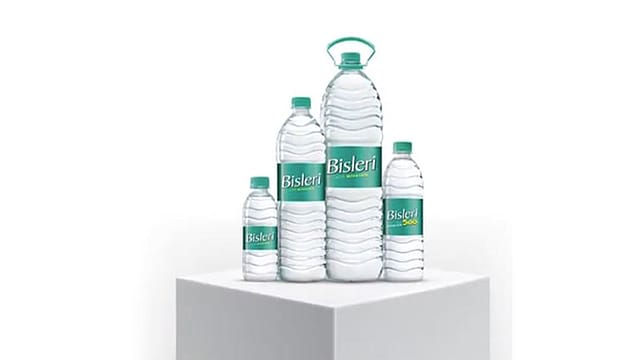
What happens when a bottled water brand's quality checks and a food safety regulator's laboratory results disagree? Bisleri International is seeking answers after India's food safety authority flagged coliform bacteria in a sample of its packaged drinking water from West Bengal, prompting a prohibition on the sale of a specific batch.
The company says it had already recalled the batch, PB201, following the Food Safety and Standards Authority of India (FSSAI) directive issued on August 12, 2026. But Bisleri is now questioning the findings, saying tests it commissioned at two independent laboratories recognised by the regulator found the sample compliant with applicable safety standards.

Hot Pursuit
27 Nov 2026 - Vol 01 | Issue 02
The Shah Doctrine of Internal Security
Why FSSAI flagged Bisleri's packaged drinking water in West Bengal
The regulatory sample was collected from Bisleri's manufacturing facility in Telipara, in West Bengal's Jalpaiguri district. According to reports citing regulatory sources, both the primary laboratory and the referral laboratory detected coliform bacteria in the sample.
The findings led FSSAI to prohibit the sale of the specific batch, PB201, on August 12. The regulator has also sanctioned prosecution against Bisleri International over alleged violations of food safety regulations, according to reports published on Saturday.
Coliform bacteria are used as indicators of possible contamination in water and food. Their presence in a drinking-water sample can signal problems with sanitation or water handling, although the detection itself does not establish the precise source of contamination.
The regulatory findings, therefore, concern a specific batch and sample, rather than establishing that all Bisleri packaged water is unsafe.
Bisleri claims two independent laboratories found the sample compliant
Bisleri, in a statement on November 28, said it had separately commissioned tests on samples from the same batch at two independent laboratories recognised by FSSAI.
The company said the first laboratory found the sample compliant with the applicable coliform standard and other food safety requirements. Testing at a second independent laboratory also reportedly found it compliant with the prescribed coliform standard.
"The difference between the regulatory and independent findings warrants a thorough review," the company said, calling on FSSAI to examine the sampling process, testing methodology, laboratory findings and possible factors that could have contributed to the variation.
Bisleri added that it would continue cooperating with the regulator to establish the facts. It also reiterated its quality-control procedures, saying its manufacturing process involves more than 90 quality tests across 10 stages of purification.
What the Bisleri-FSSAI dispute means for packaged water safety
The dispute highlights why sampling, laboratory procedures and regulatory oversight matter in the packaged drinking-water industry. A disagreement between test results needs to be examined through the appropriate regulatory process, rather than treated as proof that either side's findings are invalid.
FSSAI has introduced a testing scheme for packaged drinking water and mineral water, effective from January 1, 2026, following the removal of mandatory BIS certification requirements for these categories. Food safety compliance continues to be governed by FSSAI standards and testing requirements.
For consumers, the immediate issue is specific: batch PB201 was prohibited from sale following regulatory testing, and Bisleri says it recalled the batch. The company's independent tests are part of its response to the regulatory action, but the conflicting findings remain to be reconciled.
Until the matter is resolved, the distinction between a flagged batch and a brand's entire product range is important. The regulatory action concerns the identified batch, while the broader question of how the test results differed remains under review.
(With inputs from ANI)